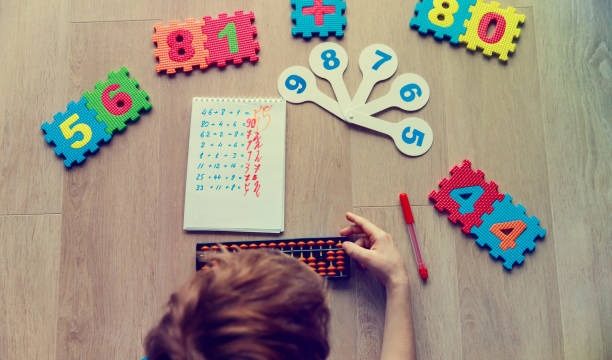
In a world brimming with technology and constant connectivity, nurturing creativity in children has become increasingly important.
Educational games that inspire creativity can be a wonderful way to engage young minds while also providing them with valuable skills.
These games go beyond traditional learning, inviting children to explore, imagine, and express themselves in ways that are both fun and enriching.
A gentle invitation to play
When thinking about educational games, it’s easy to envision rote memorization and repetitive drills. However, the landscape of educational gaming has evolved significantly. Today, many games are designed not just to teach facts but to encourage creative thinking and problem-solving. Whether through storytelling, art, or even engineering challenges, these games open up a world of possibilities for children to explore their imaginations.
One of the most appealing aspects of creative games is their ability to blend learning with play. Children often learn best when they are having fun, and educational games can transform lessons into adventures. For instance, games that require children to build their own stories or design characters can help them develop narrative skills while also stimulating their creativity. Through these activities, kids learn to think outside the box, experimenting with ideas and concepts in a safe and supportive environment.
Exploring the world of storytelling
Storytelling games are a particularly captivating way to inspire creativity. Many of these games encourage players to create their own narratives, whether through writing, drawing, or even digital media. By crafting their own stories, children not only enhance their language skills but also learn to express their thoughts and feelings. This kind of creative expression is vital for emotional development and can help children articulate their ideas more clearly.
Incorporating storytelling into play can also foster a love for reading and literature. When children see their stories come to life, they become more interested in books and the art of storytelling itself. This connection can lead to a lifelong passion for literature, opening up new avenues for exploration and learning.
The art of creation
Artistic expression is another avenue through which educational games can spark creativity. Games that focus on drawing, painting, or crafting allow children to experiment with colors, shapes, and techniques. These activities encourage self-expression and can be incredibly therapeutic. The act of creating art can help children process their emotions and experiences, making it a valuable tool for mental well-being.
Additionally, art-based games often incorporate elements of design and composition, teaching children about balance, contrast, and aesthetics. As they create, they learn to make choices and develop their own unique styles. This not only boosts their confidence but also cultivates a sense of accomplishment. Seeing a finished piece of art can be a powerful motivator, inspiring children to continue exploring their creative abilities.
Building and inventing
Another fascinating category of educational games focuses on building and inventing. These games encourage children to use their imaginations to construct structures, design gadgets, or even create entire worlds. Whether through physical building blocks or digital platforms, these activities promote critical thinking and problem-solving skills.
Games that involve engineering challenges, such as designing bridges or creating simple machines, can be particularly engaging. Children learn to approach problems systematically, testing their ideas and making adjustments along the way. This hands-on experience fosters a sense of curiosity and innovation, qualities that are essential in today’s rapidly changing world.
Connecting with nature
Incorporating nature into creative play can also inspire children in unique ways. Games that encourage outdoor exploration or nature-inspired art can help children connect with the environment around them. This connection not only enhances their creativity but also fosters a sense of responsibility toward the planet.
Nature-themed games can take many forms, from scavenger hunts that encourage observation and exploration to art projects that utilize natural materials. These activities allow children to engage with their surroundings, developing a deeper appreciation for the beauty and complexity of the world. The creativity sparked by nature can lead to innovative ideas and solutions, as children learn to see the world through a different lens.
The joy of collaboration
Many educational games also emphasize collaboration, encouraging children to work together to achieve a common goal. These collaborative experiences can be invaluable, teaching kids the importance of teamwork and communication. As they share ideas and build on each other’s creativity, they learn to respect diverse perspectives and find joy in collective achievements.
Collaboration also provides opportunities for social interaction, helping children develop important interpersonal skills. Through group play, they learn to navigate challenges, celebrate successes, and support one another. This sense of community can be incredibly enriching, fostering friendships and a sense of belonging.
A nurturing environment for growth
Creating a nurturing environment for children to explore their creativity is essential. Parents and educators can play a significant role in this process by providing access to a variety of educational games and encouraging open-ended play. It’s important to remember that the goal is not just to achieve a specific outcome, but to allow children to explore and express themselves freely.
Encouraging children to take risks in their creative endeavors can help them build resilience and confidence. When they feel safe to experiment and make mistakes, they are more likely to embrace their creative potential. This supportive atmosphere allows children to flourish, unlocking their imaginative capabilities and fostering a lifelong love for learning.
In conclusion, educational games that inspire creativity offer a wealth of benefits for children. By engaging in storytelling, artistic expression, building and inventing, connecting with nature, and collaborating with peers, children can develop essential skills while having fun. These games not only enrich their minds but also nurture their spirits, helping them grow into confident, creative individuals. As we embrace the power of play, we open the door for our children to explore the limitless possibilities of their imaginations.