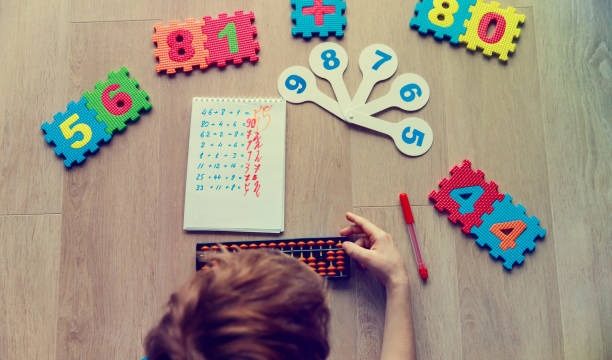
In the tapestry of education, weaving together creativity and critical thinking is essential.
One of the most engaging ways to nurture these skills is through games.
Whether in a classroom or at home, games can serve as a delightful bridge to problem-solving, encouraging both children and adults to think outside the box.
This approach transforms learning into an enjoyable experience, making challenges feel less daunting and more like exciting adventures.
The beauty of games lies in their ability to captivate attention. When immersed in a game, players often forget they are learning. This immersive experience allows for natural exploration of concepts like strategy, teamwork, and perseverance. Imagine a group of friends huddled around a board game, strategizing their next move, or a family engaged in a lively video game battle. In these moments, problem-solving becomes second nature. Players are not just reacting to challenges; they are analyzing situations, anticipating outcomes, and adapting their strategies—all essential components of effective problem-solving.
A gentle introduction to this concept can start with simple games. Classic board games such as chess or checkers require players to think several steps ahead, weighing the consequences of each move. This not only sharpens their ability to foresee challenges but also cultivates patience and foresight. By engaging in these games, players learn to appreciate the nuances of decision-making. Every choice matters, and every setback is an opportunity to reassess and strategize anew.
In recent years, the rise of video games has further expanded the landscape of learning through play. Many modern video games are designed with intricate narratives and complex challenges that require players to think critically and solve problems in real time. For instance, puzzle games encourage logical reasoning, while role-playing games often present players with moral dilemmas that require thoughtful consideration. These experiences provide a platform for players to practice decision-making in a safe environment. The virtual world becomes a sandbox for testing ideas, experimenting with solutions, and learning from failures without real-world consequences.
Exploring the realm of educational games can also yield fruitful results. Many developers create games specifically aimed at teaching problem-solving skills, often integrating math, science, or language arts into the gameplay. These games can be particularly beneficial in a classroom setting, where teachers can use them as tools to reinforce concepts. By blending education with entertainment, students are more likely to engage with the material, leading to deeper understanding and retention of knowledge.
Beyond the structured environment of classrooms, games can also play a vital role in family dynamics. Board game nights or cooperative video games can serve as bonding experiences, fostering communication and collaboration among family members. In these settings, players learn to articulate their thoughts, negotiate solutions, and work together toward a common goal. Such interactions not only enhance problem-solving skills but also strengthen relationships, creating a supportive community where everyone feels valued.
Another enriching avenue is the world of escape rooms. These immersive experiences challenge participants to solve puzzles and riddles within a set time limit. The thrill of racing against the clock encourages teamwork and creative thinking, as each member contributes their unique perspective and skills. Escape rooms have gained popularity for good reason: they encapsulate the essence of problem-solving in a fun, engaging way. Participants leave not only with a sense of accomplishment but also with enhanced skills that they can apply in real-life situations.
As we explore the positive impact of games on problem-solving, it’s essential to keep in mind the balance of play and learning. While games can be incredibly beneficial, moderation is key. Encouraging a variety of activities—both structured and unstructured—ensures that individuals develop a well-rounded skill set. This approach allows players to experience the joy of gaming while also engaging in other forms of learning and exploration.
Creating a space where games are part of the learning journey can be as simple as setting aside time each week for family game nights or exploring new educational apps together. These moments of shared experience can be invaluable, fostering a love for learning that extends beyond the confines of traditional education. It’s about making learning feel vibrant and relevant, nurturing curiosity and creativity in a world that often feels overwhelming.
In the end, the goal is not just to teach problem-solving but to instill a mindset of resilience and adaptability. Games can be a powerful ally in this endeavor. They invite us to navigate challenges with a sense of adventure, to view obstacles as opportunities for growth. As we embrace the playful spirit of games, we cultivate an environment where problem-solving becomes a natural and enjoyable part of life.
So, whether you’re a parent looking to inspire your child, a teacher seeking innovative ways to engage your students, or simply someone wanting to sharpen your own skills, consider the world of games. They offer a treasure trove of experiences that can transform the way we approach challenges. In the dance of play and learning, we find not only solutions but also joy, connection, and a deeper understanding of ourselves and each other.