Understanding Learning Disabilities in Everyday Life
Navigating through life often involves a series of learning experiences, each one unique and filled with its own challenges.
For many individuals, learning disabilities can add an extra layer of complexity to this journey.
Understanding these disabilities can foster a sense of compassion and awareness, not only for those affected but also for the broader community.
Learning disabilities encompass a range of difficulties that affect the way individuals process, comprehend, and express information. These challenges can manifest in various ways, impacting reading, writing, mathematics, and even social skills. However, it’s important to recognize that having a learning disability does not define a person’s intelligence or potential. In fact, many individuals with learning disabilities possess remarkable strengths and talents that shine brightly in different areas.
A gentle shift in perspective
When we think of learning disabilities, it can be easy to focus solely on the challenges they present. However, shifting our perspective to view these disabilities as part of a diverse spectrum of human experience can be enlightening. Each person brings their own unique set of skills, interests, and perspectives to the table. This diversity enriches our communities and workplaces, fostering creativity and innovation.
For instance, many individuals with dyslexia, a common learning disability, may struggle with reading and writing but often excel in areas such as problem-solving and critical thinking. By embracing these strengths, we can create environments that not only accommodate but also celebrate individual differences.
Creating supportive environments
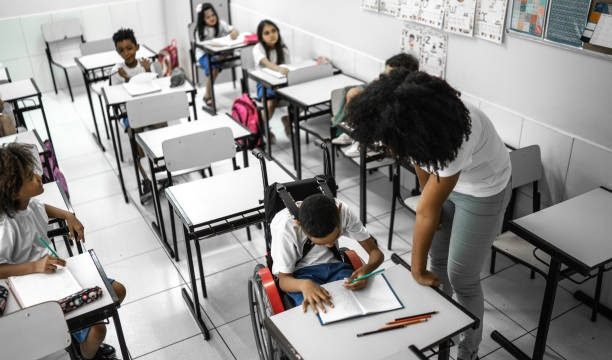
Supportive environments play a vital role in helping individuals with learning disabilities thrive. In schools, workplaces, and even at home, simple adjustments can make a significant difference. For educators, incorporating varied teaching methods, such as visual aids or hands-on activities, can cater to diverse learning styles. In the workplace, recognizing that employees may need flexible schedules or alternative communication methods can lead to a more inclusive atmosphere.
At home, parents and caregivers can foster a sense of security and encouragement. Providing a consistent routine, breaking tasks into manageable steps, and celebrating small achievements can empower individuals with learning disabilities. Creating a nurturing space where mistakes are viewed as opportunities for growth can help build resilience and confidence.
The importance of open dialogue
Open dialogue about learning disabilities is essential for creating understanding and fostering empathy. Encouraging conversations among family members, friends, and colleagues can dispel misconceptions and promote acceptance. When individuals feel comfortable discussing their experiences, it not only validates their feelings but also paves the way for deeper connections.
For parents, discussing learning disabilities with their children can be a profound opportunity for education and understanding. By framing these discussions in a positive light, children can learn to view their unique learning styles as a natural part of who they are. This reinforces the idea that everyone learns differently, and that’s perfectly okay.
Finding community and support
Community support can be a lifeline for individuals with learning disabilities and their families. Local support groups, online forums, and educational workshops provide valuable resources, shared experiences, and encouragement. Connecting with others who understand similar challenges can foster a sense of belonging and reduce feelings of isolation.
Additionally, advocacy organizations often offer tools and resources tailored to the needs of individuals with learning disabilities. These organizations can provide guidance on navigating educational systems, understanding legal rights, and accessing various support services. Engaging with these communities can empower individuals and families, helping them to advocate for their needs and the needs of others.
Celebrating progress, big and small
Every step forward, no matter how small, is worth celebrating. Acknowledging progress can boost self-esteem and motivate individuals to continue striving for their goals. Whether it’s mastering a new skill, completing a challenging task, or simply feeling more confident in a social situation, these moments of achievement contribute to a larger narrative of growth and resilience.
Parents and caregivers can play a crucial role in this celebration. By recognizing effort and persistence, rather than just outcomes, they can help instill a sense of pride in their children. This approach nurtures a growth mindset, where challenges are viewed as opportunities for learning rather than insurmountable obstacles.
Embracing the journey
Living with a learning disability is a journey, one that is filled with ups and downs. It’s essential to embrace this journey, recognizing that each person’s path is unique. While there may be challenges along the way, there are also moments of joy, discovery, and connection that make the experience worthwhile.
As individuals navigate their own journeys, cultivating self-compassion becomes paramount. Learning disabilities may present hurdles, but they also offer opportunities for growth and understanding. By fostering a positive relationship with oneself and acknowledging the inherent value of diverse learning styles, individuals can move forward with confidence and resilience.
Ultimately, understanding learning disabilities in everyday life is about fostering a culture of acceptance and support. By promoting awareness, creating inclusive environments, and celebrating individual strengths, we can contribute to a world where everyone has the opportunity to flourish. Embracing our differences enriches our communities and allows us to learn from one another, creating a vibrant tapestry of experiences that benefits us all.
In this journey of understanding, let us remember that compassion and kindness can go a long way in making the world a more welcoming place for everyone, regardless of how they learn.