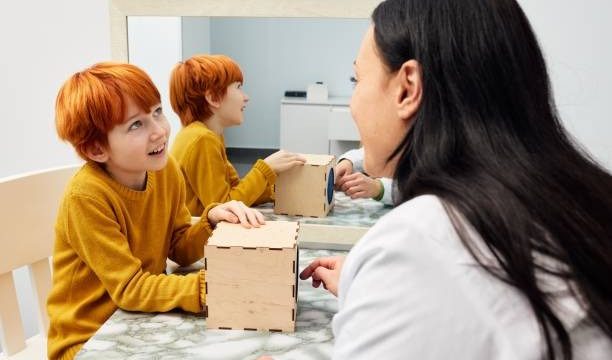
In a world that thrives on knowledge and learning, the importance of making education accessible to everyone cannot be overstated.
Adapted materials serve as a bridge, connecting learners of all abilities with the information and skills they seek.
By embracing a few thoughtful strategies, we can create an environment where learning is not just a privilege, but a shared journey for all.
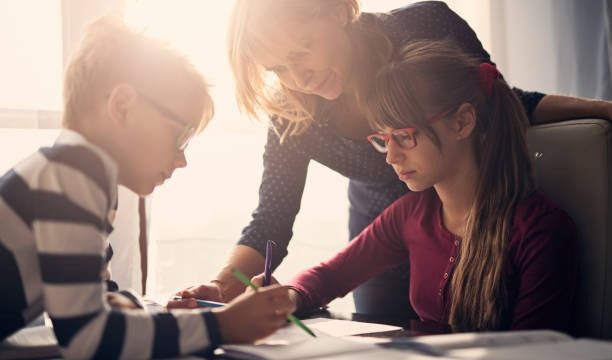
A gentle approach to understanding individual needs is the first step toward making learning more accessible. Every learner is unique, with their own strengths, preferences, and challenges. By recognizing these differences, educators can tailor their materials to better suit each student. This might involve simplifying language for younger learners or providing additional context for complex subjects. The goal is to cultivate an atmosphere where everyone feels valued and understood, paving the way for deeper engagement.
Incorporating visual aids can also enhance accessibility. Images, infographics, and diagrams can all serve as powerful tools to complement written text. They can clarify concepts, break down complex ideas, and make information more digestible. For instance, a history lesson about ancient civilizations may come alive through vibrant visuals that depict daily life, architecture, and cultural practices. By appealing to different learning styles, these materials help bridge gaps and foster a love for learning.
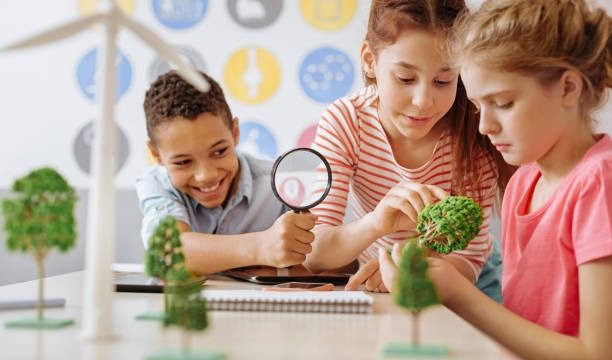
Another key aspect is the use of technology. Digital resources have transformed the educational landscape, offering a wealth of options for adaptation. E-books, audiobooks, and interactive applications provide diverse ways to engage with content. For learners who benefit from auditory input, listening to a book can be an enriching experience, allowing them to absorb information in a format that suits them best. Meanwhile, interactive platforms can cater to hands-on learners, providing opportunities for exploration and discovery.
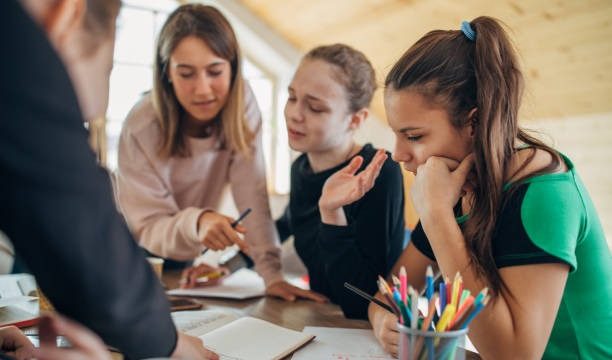
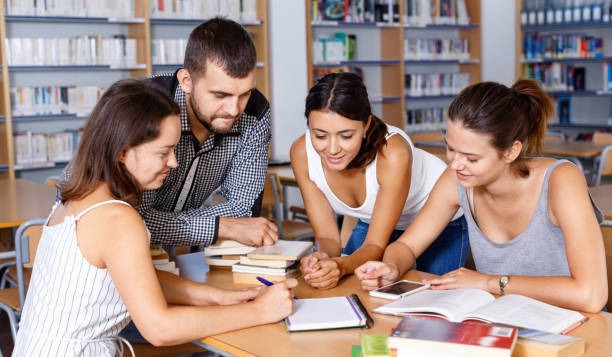
Creating a supportive community around learning is equally essential. When learners feel connected and supported, they are more likely to thrive. This can be achieved by encouraging collaboration among peers. Group projects and discussions can foster a sense of belonging, allowing students to share their insights and learn from one another. By building a network of support, we can empower each individual to contribute their unique perspectives, enriching the learning experience for everyone involved.
A small shift toward balance can also make a significant difference in the accessibility of learning materials. It’s important to consider the emotional and psychological aspects of education. Stress and anxiety can hinder a learner’s ability to absorb information. By integrating mindfulness practices or offering flexible deadlines, educators can help create a more balanced approach to learning. This not only alleviates pressure but also promotes a healthier mindset, allowing learners to engage with the material at their own pace.
Involving families in the learning process is another vital component. When parents and guardians are engaged, they can better support their children’s educational journey. Providing them with resources, strategies, and insights into their child’s learning style can lead to a more cohesive approach. Workshops or informational sessions can help parents understand how to adapt materials at home, reinforcing what is learned in the classroom. This partnership fosters a shared commitment to learning, creating a nurturing environment that extends beyond school walls.
As we consider the role of adapted materials in education, it’s essential to embrace a growth mindset. This mindset encourages us to view challenges as opportunities for growth, both for educators and learners. By being open to feedback and willing to experiment with new approaches, we can continually refine our strategies for accessibility. This attitude not only benefits individuals but also enriches the entire learning community.
The journey toward making learning accessible is ongoing. It requires patience, empathy, and a willingness to adapt. By prioritizing understanding, incorporating diverse resources, fostering community connections, and maintaining a balanced approach, we can create a more inclusive educational landscape.
Ultimately, the goal is to cultivate a love for learning that transcends barriers. When we embrace the idea that education is a shared journey, we open the door to endless possibilities. Each step we take toward making learning accessible helps to create a world where everyone can thrive, regardless of their background or abilities.
As we reflect on the power of adapted materials, let us remember that education is not simply about the transfer of knowledge; it is about nurturing curiosity, fostering creativity, and empowering individuals to reach their full potential. By working together, we can create an environment where learning is accessible, enjoyable, and enriching for all.