In recent years, the importance of social-emotional learning (SEL) has gained significant attention in educational settings.
As we navigate a world that often feels overwhelming, the need to cultivate emotional intelligence and interpersonal skills in our students has never been clearer.
Developing effective SEL programs can be a rewarding journey, not only for educators but also for the students who benefit from them.
Here’s how you can embark on this meaningful endeavor.
Creating a safe space for expression
At the heart of social-emotional learning is the idea that students need a safe and supportive environment to express their feelings. This foundation allows them to explore their emotions and learn how to manage them effectively. Begin by fostering a classroom atmosphere where students feel comfortable sharing their thoughts and experiences. This can be achieved through open discussions, storytelling, or simple check-in activities that encourage students to voice their feelings without fear of judgment.
One way to cultivate this safe space is to establish ground rules that promote respect and kindness. Encourage students to listen actively to one another and to respond thoughtfully. By modeling empathy and understanding, educators can create an environment where students feel valued, paving the way for deeper emotional connections.
Integrating SEL into everyday learning
Social-emotional learning doesn’t have to be confined to specific lessons or units. In fact, the most effective programs seamlessly weave SEL principles into everyday learning experiences. Consider how you can integrate discussions about emotions, relationships, and decision-making into your existing curriculum. For instance, during a literature lesson, you might explore how a character navigates a conflict and what emotions are at play. This not only enhances comprehension but also encourages students to reflect on their own feelings and experiences.
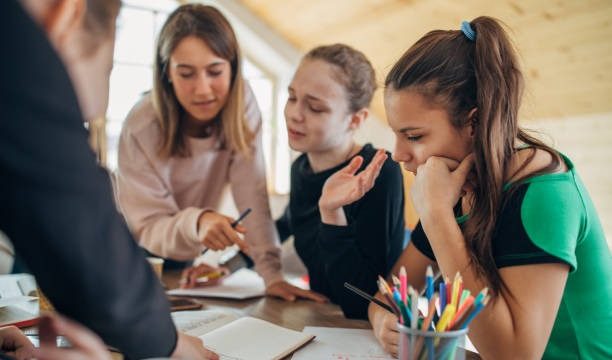
Additionally, incorporating group projects can provide students with opportunities to practice collaboration and conflict resolution. As they work together, they learn the importance of teamwork, communication, and compromise. These real-life applications of social-emotional skills help solidify their understanding and encourage the development of positive relationships.
Encouraging self-awareness and reflection
A crucial aspect of social-emotional learning is fostering self-awareness. Encourage students to reflect on their emotions and how they impact their behavior. This can be done through journaling, guided discussions, or mindfulness practices. By taking the time to understand their feelings, students can better manage their reactions and develop healthier coping strategies.
Mindfulness activities, such as deep breathing exercises or short meditation sessions, can also help students become more attuned to their emotions. These practices not only reduce anxiety but also promote a sense of calm and focus. By incorporating moments of mindfulness into the school day, you can create a culture of self-awareness that benefits both students and educators alike.
Building empathy through community engagement
Empathy is a cornerstone of social-emotional learning, and one of the most impactful ways to develop this skill is through community engagement. Encourage students to participate in service projects or community initiatives that allow them to connect with others outside of their immediate environment. Whether it’s volunteering at a local shelter or organizing a fundraiser for a cause they believe in, these experiences can broaden their perspectives and deepen their understanding of the world.
When students engage with diverse communities, they learn to appreciate different viewpoints and develop a sense of compassion for others. This not only enhances their social skills but also reinforces the importance of giving back, fostering a sense of responsibility and connectedness.
Creating partnerships with families
Developing a successful social-emotional learning program extends beyond the classroom; it involves creating partnerships with families. Engaging parents and caregivers in the process can enhance the effectiveness of your SEL initiatives. Consider hosting workshops or informational sessions that provide families with tools and resources to support their children’s emotional development at home.
Open lines of communication are essential. Regularly share updates about the SEL activities taking place in the classroom and encourage families to share their observations and experiences. By working collaboratively, educators and families can create a consistent approach to social-emotional learning that reinforces the skills students are developing.
Assessing progress and adapting programs
As with any educational initiative, it’s important to assess the effectiveness of your social-emotional learning programs. Gathering feedback from students, families, and educators can provide valuable insights into what is working and what may need adjustment. Consider implementing surveys or informal check-ins to gauge students’ emotional development and their comfort level with the program.
Additionally, be open to adapting your approach based on the needs of your students. Social-emotional learning is not a one-size-fits-all model, and flexibility is key. By being responsive to the changing dynamics within your classroom, you can ensure that your SEL programs remain relevant and impactful.
Celebrating growth and achievements
Finally, it’s essential to celebrate the growth and achievements of your students as they navigate their social-emotional learning journey. Recognizing their efforts, no matter how small, can boost their confidence and motivation. Consider implementing a recognition system that highlights positive behaviors, such as acts of kindness or teamwork. Celebrating these milestones fosters a sense of community and encourages students to continue developing their social-emotional skills.
In conclusion, developing social-emotional learning programs is a journey that requires patience, creativity, and a genuine commitment to nurturing students’ emotional well-being. By creating a safe space for expression, integrating SEL into everyday learning, and fostering empathy through community engagement, educators can make a significant impact on their students’ lives. As we embrace this holistic approach to education, we equip the next generation with the skills they need to thrive emotionally and socially in an ever-changing world.