In the fast-paced world we live in, the importance of communication can often be overlooked.
As adults, we understand its significance, but nurturing this skill in children can sometimes feel like a daunting task.
One of the most effective and enjoyable ways to foster communication skills in young ones is through play-based learning.
This approach not only promotes language development but also enhances social skills, emotional intelligence, and cognitive growth.
A gentle approach to learning
Play-based learning is rooted in the idea that children learn best when they are engaged in activities that are meaningful and enjoyable. When children play, they naturally experiment with language, express their thoughts and feelings, and interact with others. This setting creates a rich tapestry of opportunities for communication to flourish. Whether it’s through imaginative play, storytelling, or collaborative games, children are given the freedom to explore their ideas and emotions in a safe environment.
Imagine a group of children gathered around a makeshift kitchen, pretending to prepare a meal. As they don their aprons and pick up their toy utensils, they engage in conversations about what they are cooking, who will eat it, and how it will be served. This simple act of play is a powerful catalyst for language development. They are not only using vocabulary related to food and cooking but also practicing turn-taking in conversation and negotiating roles.
The beauty of play is that it allows for experimentation. Children can make mistakes, try out new words, and learn to express themselves without the fear of judgment. This freedom is essential for building confidence in their communication skills. When a child feels secure in their environment, they are more likely to share their thoughts and feelings openly.
Creating connections through storytelling
Storytelling is another vital aspect of play-based learning that encourages communication. When children engage in storytelling, they learn to structure their thoughts and articulate them clearly. Whether they are recounting a personal experience or weaving a fantastical tale, they are practicing narrative skills that are crucial for effective communication.
Consider a cozy reading nook where children gather to listen to a story. As the tale unfolds, they may ask questions, make predictions, or share their own related experiences. This interactive element transforms passive listening into an active dialogue. The storyteller is not just reciting words; they are inviting others into their world, fostering a sense of connection and community.
Moreover, storytelling can be a bridge to understanding diverse perspectives. When children hear stories from different cultures or backgrounds, they learn to appreciate the richness of human experience. This exposure enhances their empathy, allowing them to communicate with compassion and understanding.
The role of collaborative play
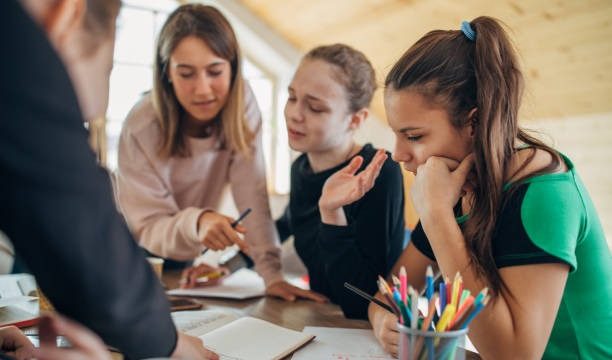
Collaboration is a key component of effective communication, and play-based learning offers ample opportunities for children to work together. Whether they are building a fort, solving puzzles, or engaging in role-play, collaboration teaches children how to express their ideas, listen to others, and compromise.
Picture a group of children tackling a complex building project with blocks. Each child brings their unique vision to the table. As they discuss their ideas, they learn to articulate their thoughts while also being receptive to the suggestions of their peers. This back-and-forth exchange not only strengthens their vocabulary but also hones their ability to negotiate and reach consensus.
In these playful scenarios, children also develop emotional intelligence. They learn to read social cues, recognize the feelings of others, and respond appropriately. This emotional awareness is a cornerstone of effective communication, helping children navigate relationships both now and in the future.
A nurturing environment for exploration
For play-based learning to be effective, it is essential to create an environment that encourages exploration and creativity. This does not mean that every moment needs to be structured with specific learning objectives. Instead, it’s about providing a space where children feel free to express themselves and explore their interests.
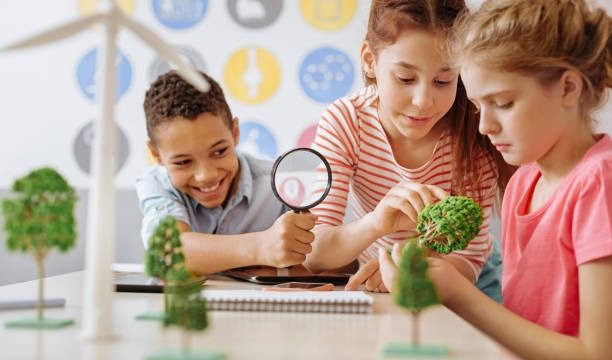
Think of an inviting classroom filled with various materials—art supplies, books, and open-ended toys. In such an environment, children can choose how they want to play and interact with others. This autonomy fosters a sense of ownership over their learning, making them more likely to engage and communicate.
As caregivers and educators, being present during playtime can also enhance the experience. Engaging with children in their play, asking open-ended questions, and encouraging them to elaborate on their ideas can spark deeper conversations. This interaction not only enriches their play but also reinforces the importance of communication in everyday life.
The lasting impact of play-based learning
Encouraging communication through play-based learning is not just about immediate language development. It lays the foundation for lifelong skills that will benefit children in various aspects of their lives. As they grow, the ability to communicate effectively will serve them well in relationships, education, and eventually, their careers.
Moreover, the joy of learning through play can instill a love for exploration and discovery. Children who have positive experiences in their early years are more likely to approach learning with enthusiasm and curiosity. This attitude will carry through their educational journey, making them more resilient and adaptable individuals.
In conclusion, play-based learning is a powerful tool for nurturing communication skills in children. By creating an environment that celebrates exploration, storytelling, and collaboration, we can help children build the confidence and competence they need to express themselves effectively. As we encourage our little ones to play, we are not just fostering their communication abilities; we are enriching their lives with the joy of connection, creativity, and understanding.