Creating an inclusive environment for special needs students is both a rewarding and enriching experience.
By focusing on practical learning activities that cater to diverse abilities, educators and caregivers can foster a sense of belonging and promote personal growth.
This article explores various engaging activities that can enhance learning while nurturing social skills and emotional well-being.
A gentle introduction to practical learning
Every child has unique strengths and challenges, and for special needs students, practical learning activities can serve as powerful tools. These activities not only support academic growth but also encourage social interaction and communication. Emphasizing hands-on experiences can help students feel more connected to their peers and their environment, making learning both enjoyable and meaningful.
Incorporating sensory play
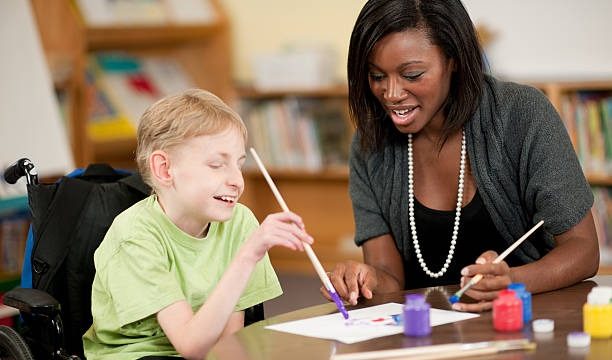
One effective way to engage special needs students is through sensory play. Activities like sand and water play, finger painting, or even simple cooking projects can stimulate the senses and promote exploration. Sensory experiences allow students to express themselves in non-verbal ways, fostering creativity while also helping to develop fine motor skills. For instance, mixing different textures and colors can be soothing and provide a sense of accomplishment.
There’s something magical about watching a child’s face light up as they engage with materials that excite their senses. These moments can lead to deeper connections and a greater understanding of the world around them. As children experiment with various textures and sensations, they also learn to navigate their emotions and reactions in a safe environment.
Cultivating social skills through group activities
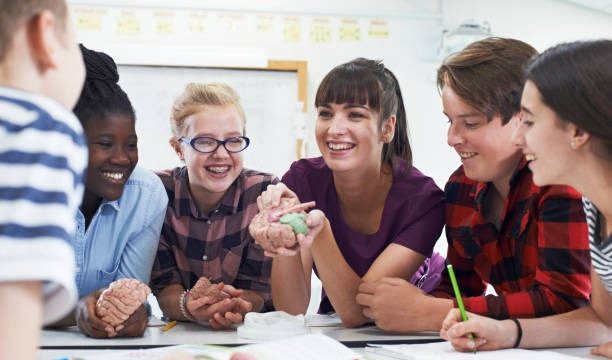
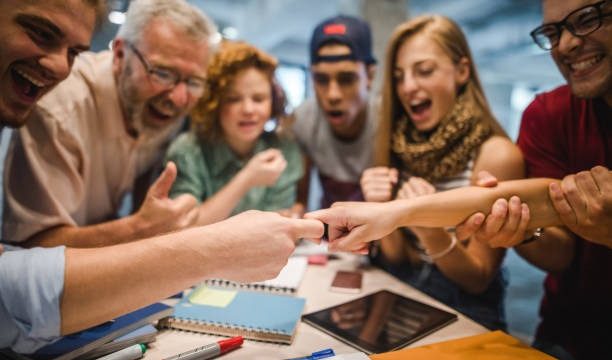
Group activities are an excellent way to encourage social interaction among special needs students. Simple games and collaborative projects can help build teamwork and communication skills. Activities like group art projects or cooperative building with blocks allow students to work together toward a common goal, fostering friendships and promoting a sense of community.
Consider organizing a small garden project where students can plant flowers or vegetables together. This not only teaches responsibility as they care for the plants but also encourages conversation and collaboration. As they work side by side, they can share ideas, celebrate small successes, and develop a sense of pride in their collective efforts.
Fostering independence with life skills training
Incorporating life skills training into daily routines is an essential aspect of practical learning for special needs students. Activities such as cooking, cleaning, or organizing personal belongings can help foster independence and confidence. Teaching these skills in a supportive environment allows students to practice essential tasks that they will use throughout their lives.
Imagine a cooking session where students learn to prepare simple meals. This activity not only teaches them about nutrition but also provides opportunities for them to practice following directions, measuring ingredients, and working as a team. The process of preparing and enjoying a meal together can create a sense of accomplishment and belonging, reinforcing their ability to contribute meaningfully to their community.
Nurturing emotional intelligence through role-playing
Role-playing can be an effective tool for helping special needs students develop emotional intelligence. By acting out various scenarios, students can explore different emotions and practice responding to social situations. This type of activity can be particularly beneficial for those who struggle with understanding social cues or expressing their feelings.
For example, setting up a simple role-playing scenario where students practice greetings or sharing can help them develop essential social skills. As they take turns playing different roles, they gain insights into empathy and perspective-taking. This playful approach to learning encourages students to explore their emotions in a safe and supportive environment.
Encouraging physical activity and movement
Integrating physical activity into learning routines can significantly benefit special needs students. Movement activities such as yoga, dance, or even simple stretching can help improve focus and reduce anxiety. By encouraging students to engage in physical expression, they not only enhance their motor skills but also boost their overall well-being.
A calming yoga session can be a wonderful way to start or end the day. Through gentle movements and mindful breathing, students learn to connect with their bodies and emotions. This practice fosters a sense of calm and encourages self-regulation, which can be particularly beneficial for those who may struggle with sensory overload or anxiety.
Creating a supportive environment
A nurturing and supportive environment is essential for the success of any learning activity. When special needs students feel safe and accepted, they are more likely to engage and participate. Establishing routines, providing clear instructions, and offering positive reinforcement can help create a sense of security and encourage exploration.
It’s important to celebrate progress, no matter how small. Acknowledging achievements fosters motivation and self-esteem, reinforcing the idea that every effort counts. By creating a culture of encouragement, educators and caregivers can inspire students to take risks and embrace new challenges.
Embracing the journey
The journey of supporting special needs students is filled with opportunities for growth, understanding, and connection. Practical learning activities that focus on sensory exploration, social interaction, life skills, and emotional intelligence can significantly enhance their educational experience. This approach not only benefits the students but also enriches the lives of those who work with them.
As we embrace the uniqueness of each child, we create a tapestry of experiences that celebrate diversity and foster inclusion. The joy of watching a student thrive in a supportive environment is a reminder of the power of practical learning. By nurturing their strengths and providing opportunities for growth, we empower special needs students to navigate their world with confidence and resilience.
In conclusion, practical learning activities for special needs students are not just about academics; they encompass the entirety of the learning experience. By focusing on hands-on activities that promote social skills, emotional intelligence, and independence, we can create a vibrant and inclusive educational landscape. Ultimately, it is about fostering a sense of belonging and helping each child discover their unique path in the world.