Encouraging Lifelong Skills in Special Needs Education
In the journey of education, every child deserves the opportunity to thrive, learn, and grow.
For children with special needs, this journey can be enriched by a focus on lifelong skills that empower them to navigate the world with confidence and independence.
The beauty of special needs education lies in its ability to adapt and cater to the unique strengths and challenges of each individual, fostering an environment where learning becomes a joyful exploration.
Understanding the individual needs of each child is essential. In a typical classroom, lessons may flow seamlessly from one topic to another, but in special needs education, the approach is often much more personalized. This tailored strategy allows educators and caregivers to identify and nurture the unique abilities of each child. By emphasizing lifelong skills, we can create a foundation that not only supports academic achievement but also enhances social interaction, self-care, and emotional well-being.
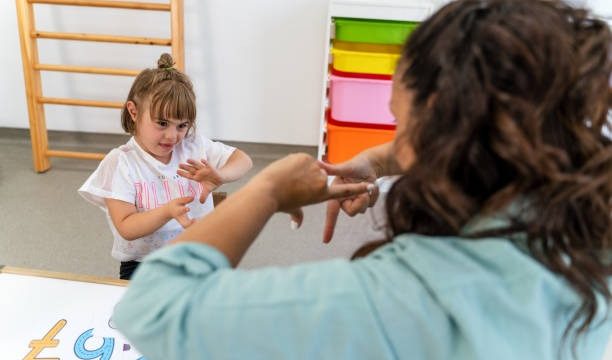
A gentle focus on communication skills can open doors for children with special needs. Whether verbal or non-verbal, effective communication is a fundamental skill that lays the groundwork for relationships and understanding. Encouraging children to express themselves through various mediums—be it speech, sign language, or visual aids—can significantly enhance their ability to connect with others. Activities that promote social interaction, such as group play or collaborative projects, can foster these communication skills in a natural and engaging way.
Another vital aspect of lifelong learning is the development of self-care skills. Teaching children to manage their personal needs—like dressing, grooming, and hygiene—instills a sense of independence and self-worth. Simple routines can be turned into fun activities, making learning enjoyable. For instance, turning the process of getting dressed into a game can motivate children to participate actively. As they master these skills, they gain confidence and a sense of accomplishment that is invaluable throughout their lives.
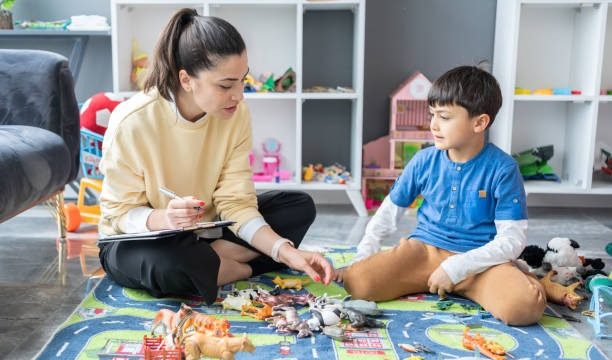
Nurturing emotional intelligence is equally important in the realm of special needs education. Children with special needs often face unique emotional challenges, and equipping them with the tools to understand and manage their feelings is essential. Incorporating activities that promote self-awareness and empathy can create a safe space for children to explore their emotions. Storytelling, role-playing, and art can serve as powerful mediums for expression, allowing children to connect with their feelings and learn to navigate the complexities of social interactions.
The importance of life skills cannot be overstated. Teaching children practical skills such as cooking, cleaning, and basic budgeting can significantly enhance their independence. These skills are not just about daily living; they are about instilling a sense of responsibility and the ability to contribute to their community. Engaging children in age-appropriate household tasks can be a wonderful way to teach these skills while also fostering a sense of belonging and teamwork within the family.
A small shift toward balance can also be beneficial. In the educational journey, it’s easy to become focused solely on academic achievements. However, incorporating a well-rounded approach that includes physical activity, art, and music can cultivate a more holistic sense of well-being. Activities that promote physical health not only enhance motor skills but also improve mood and overall emotional health. Dance classes, yoga, or even simple outdoor play can provide children with the opportunity to express themselves and enjoy movement in a supportive environment.
Encouraging lifelong friendships is another essential element in special needs education. Social skills are often developed through shared experiences and interactions with peers. Structured group activities, such as team sports or cooperative games, can help children learn the value of teamwork, patience, and respect for others. These friendships can provide a support network that lasts a lifetime, offering companionship and understanding as children navigate their unique paths.
In the realm of technology, there is a wealth of resources available to support lifelong learning in special needs education. Assistive technology can be a game-changer, providing tools that enable children to communicate, learn, and engage in ways that suit their individual needs. From speech-generating devices to educational apps designed for various learning styles, technology can enhance the educational experience and promote independence.
As parents and educators, it is essential to cultivate a nurturing environment where children feel safe to explore their interests and passions. Encouraging curiosity and creativity can lead to the discovery of new skills and talents that may not have been evident before. Whether it’s through art, science experiments, or music, providing opportunities for exploration can ignite a lifelong love of learning.
Celebrating small victories is crucial in this journey. Each step forward, no matter how minor it may seem, is a testament to the child’s growth and resilience. Acknowledging achievements fosters a sense of accomplishment and motivates children to strive for more. Creating a culture of encouragement and positivity can have lasting effects on a child’s self-esteem and overall outlook on life.
In conclusion, the journey of special needs education is one filled with potential and promise. By focusing on lifelong skills, we can empower children to embrace their unique abilities and navigate the world with confidence. Through communication, self-care, emotional intelligence, and practical skills, we pave the way for a future where they can thrive independently. As we nurture their growth, we create a community that values diversity and celebrates the richness that every individual brings to the tapestry of life. It is a beautiful journey, one that cherishes each child’s uniqueness and potential.