Supporting Social Development in Special Needs Education
In a world that thrives on connection and understanding, the importance of social development in special needs education cannot be overstated.
Every child, regardless of their abilities, deserves the opportunity to engage with their peers and develop meaningful relationships.
This journey toward social growth is not just about academic achievement; it’s about nurturing the whole child, fostering their emotional well-being, and preparing them for a fulfilling life.
Creating a nurturing environment
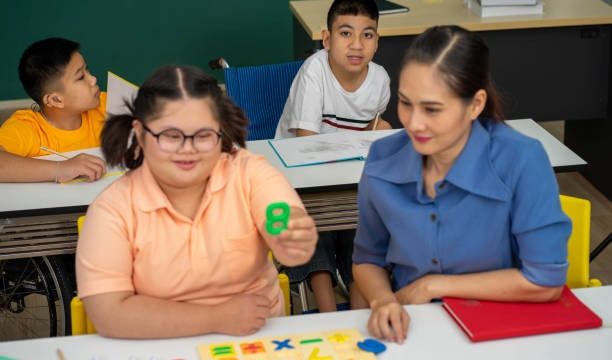
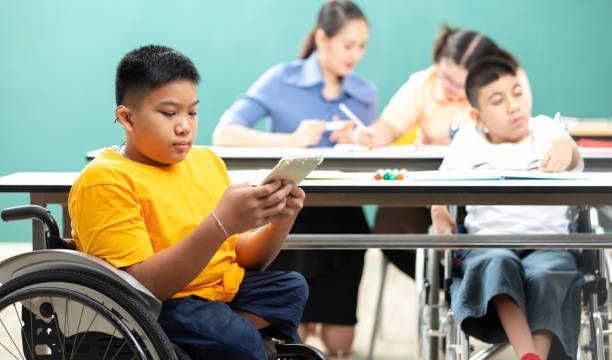
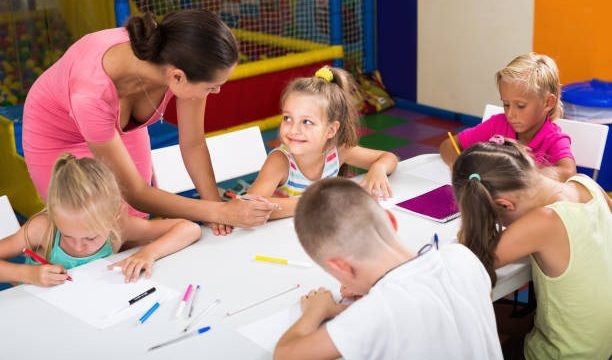
The foundation for social development in special needs education begins with a nurturing environment. Classrooms that prioritize warmth, acceptance, and inclusivity can make a significant difference in how children interact with one another. When educators and caregivers create a safe space for expression, children feel more comfortable exploring their social skills. This environment encourages them to step out of their comfort zones and engage with their peers, promoting confidence and self-esteem.
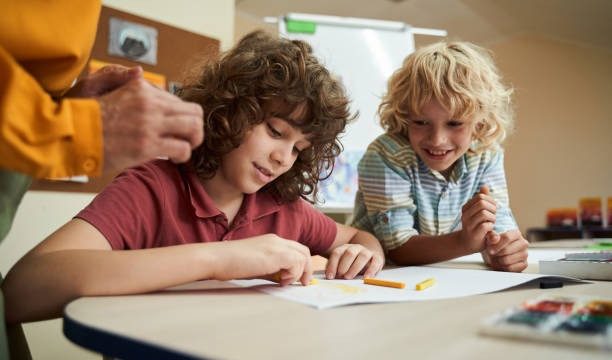
In this supportive setting, children can learn essential social skills through everyday interactions. Simple activities, such as group games or collaborative projects, allow them to practice communication, sharing, and teamwork. These experiences are invaluable, as they teach children how to navigate relationships, resolve conflicts, and celebrate differences.
Building connections through play
Play is often regarded as the language of children. It is through play that they learn to express themselves, understand others, and develop social norms. For children with special needs, play serves as a vital tool for social development. It provides a natural context for interaction and helps bridge the gap between children with differing abilities.
In inclusive play settings, children can engage in cooperative games that promote teamwork and communication. Whether it’s building a tower together or participating in a role-playing scenario, these activities foster connections that extend beyond the classroom. Educators can facilitate these interactions by modeling positive social behaviors and guiding children in resolving conflicts when they arise.
Encouraging empathy and understanding
Social development is not solely about learning how to interact; it also involves cultivating empathy and understanding. Teaching children to appreciate different perspectives can significantly enhance their social experiences. Educators can incorporate stories, discussions, and activities that highlight diversity and encourage children to consider the feelings and experiences of others.
When children learn to empathize, they become more attuned to the emotions of their peers. This awareness can lead to deeper connections and friendships, as they begin to understand that everyone has their own unique challenges and strengths. Creating opportunities for children to share their stories and experiences can foster a sense of belonging and acceptance within the classroom community.
The role of families in social development
Families play a crucial role in supporting social development in special needs education. When parents and caregivers are actively involved in their child’s educational journey, it creates a strong support system that enhances social skills. Open communication between families and educators can provide valuable insights into each child’s strengths and challenges.
Families can also encourage social interactions outside of school. Organizing playdates, participating in community events, or joining social groups can provide children with additional opportunities to practice their social skills. When families model positive social behaviors, children are more likely to emulate these behaviors in their interactions with others.
Fostering independence and self-advocacy
As children grow and develop, fostering a sense of independence becomes increasingly important. Teaching children with special needs to advocate for themselves is a vital component of social development. This process involves helping them understand their own needs, preferences, and rights. By empowering children to express themselves, they can build confidence in their social interactions.
Educators can support this journey by providing opportunities for children to make choices and decisions within the classroom. Encouraging them to voice their opinions during group discussions or allowing them to select activities can promote a sense of ownership over their learning experience. When children feel empowered, they are more likely to engage with their peers and form meaningful connections.
Celebrating achievements, big and small
Recognizing and celebrating achievements, no matter how small, can significantly boost a child’s motivation and self-esteem. In the context of social development, this means acknowledging moments when a child successfully interacts with a peer, shares a toy, or expresses their feelings. Celebrating these milestones reinforces positive behaviors and encourages children to continue working on their social skills.
Educators can incorporate various methods of recognition, such as verbal praise, small rewards, or simply taking the time to reflect on positive interactions. When children see that their efforts are valued, they are more likely to engage in social activities and strive for further growth.
A community of support
Ultimately, supporting social development in special needs education is a collective effort. It requires collaboration among educators, families, and the community at large. By fostering an inclusive culture, we can create environments where all children feel valued and supported in their social journeys.
Community resources, such as support groups, workshops, and recreational programs, can also play a vital role in enhancing social development. These resources provide opportunities for children with special needs to interact with their peers in diverse settings, further enriching their social experiences.
As we continue to advocate for inclusive practices in special needs education, let us remember the importance of nurturing social development. By creating supportive environments, encouraging empathy, and fostering independence, we can help every child flourish socially and emotionally. In doing so, we are not only enriching their lives but also creating a more compassionate and understanding society for all.