When it comes to education, the goal is often to spark curiosity and foster a love for learning.
One powerful approach to achieving this is through meaningful projects that engage students in a hands-on, authentic way.
Crafting lesson plans that center around these projects can transform the classroom experience into something vibrant and alive.
Let’s explore how to create lesson plans that not only educate but also inspire.
The beauty of meaningful projects lies in their ability to connect learning to real-world applications. When students see the relevance of what they are learning, their motivation often soars. A well-crafted project can ignite passion and creativity, encouraging students to explore topics in depth. For instance, consider a lesson plan centered around environmental science. Instead of merely reading about ecosystems, students could participate in a local conservation project. This hands-on experience allows them to witness the impact of their efforts firsthand, deepening their understanding of ecological principles and their role in the environment.
Creating a lesson plan that facilitates such engagement requires thoughtful consideration of the objectives and desired outcomes. Start by identifying the core concepts you want students to grasp. What knowledge or skills do you want them to walk away with? Once you have a clear vision, think about how a project can serve as a vehicle for that learning. Collaborating with students on project ideas can also be a valuable part of this process. Their interests and insights can guide the direction of the project, making it more personal and relevant.
A gentle shift toward balance can also enhance the effectiveness of your lesson plans. While it’s essential to focus on educational goals, it’s equally important to consider the emotional and social aspects of learning. Projects that encourage teamwork and collaboration can foster a sense of community in the classroom. For example, a group project on local history could involve students researching different aspects of their town and presenting their findings in a creative format, such as a video or a presentation. This not only builds research and communication skills but also encourages students to appreciate their shared heritage.
Another essential element to consider is reflection. After completing a project, dedicating time for students to reflect on their experiences can be incredibly enriching. Reflection allows them to think critically about what they learned, how they collaborated with others, and what they might do differently next time. This practice can cultivate a growth mindset, helping students understand that learning is an ongoing journey filled with opportunities for improvement.
As you design your lesson plans, think about incorporating diverse perspectives and voices. This not only enriches the learning experience but also promotes inclusivity. Projects that explore cultural histories or social issues can encourage students to engage with complex topics and develop empathy. For instance, a project focused on global citizenship could involve students researching various cultures, creating presentations, and even inviting community members to share their stories. Such initiatives can broaden students’ horizons and help them understand the interconnectedness of our world.
The integration of technology can also elevate the impact of meaningful projects. In today’s digital age, students are often eager to use technology as part of their learning experience. Whether it’s using social media to raise awareness about a cause, creating a blog to document their project journey, or utilizing online platforms for research, technology can enhance engagement and creativity. It’s important, however, to guide students in using technology responsibly and thoughtfully, ensuring that it serves as a tool for learning rather than a distraction.
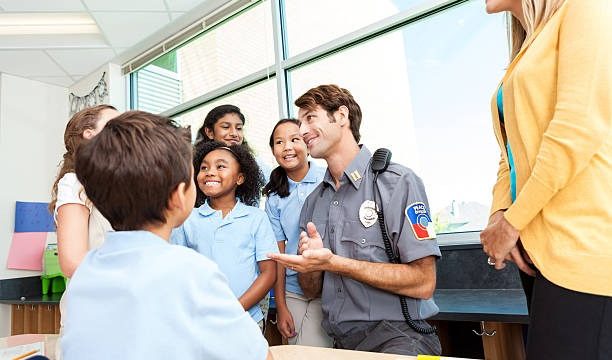
Moreover, consider the potential for community involvement in your projects. Engaging with local organizations or experts can bring a wealth of knowledge and resources into the classroom. For example, if students are working on a project about renewable energy, inviting a local engineer to speak about their work can provide invaluable insights. Such connections not only enrich the learning experience but also help students feel more connected to their community.
As you reflect on the structure of your lesson plans, remember that flexibility is key. While having a clear outline is beneficial, being open to adjustments based on student interests or current events can lead to unexpected and delightful learning experiences. This adaptability can also model resilience for your students, showing them that learning is not always a linear path.
In conclusion, lesson plans centered around meaningful projects have the potential to transform the educational landscape. By connecting learning to real-world experiences, fostering collaboration, encouraging reflection, and embracing diversity, educators can create a rich tapestry of learning that resonates with students on multiple levels. The key is to remain open, curious, and compassionate in this journey, allowing both teachers and students to grow together. In doing so, we not only impart knowledge but also inspire a lifelong love for learning that extends far beyond the classroom walls.