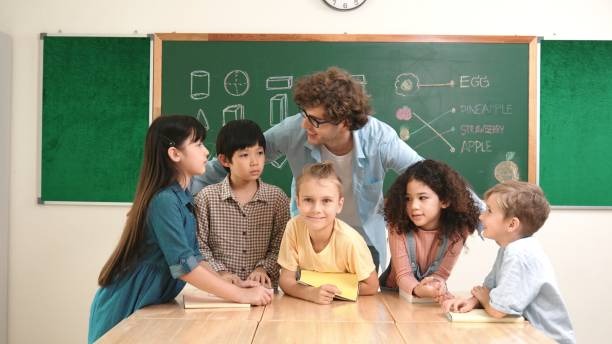
Creating an inclusive classroom where every student feels valued and capable is a beautiful endeavor for teachers.
For educators working with students who have learning disabilities, this goal can sometimes feel daunting.
However, with a few thoughtful adjustments and a compassionate approach, lessons can be adapted to meet diverse needs while fostering a supportive and engaging learning environment.
A gentle shift in perspective can make all the difference. Rather than viewing learning disabilities as obstacles, consider them as different pathways to understanding. Each student brings a unique set of strengths and challenges, and recognizing these can guide teachers in tailoring their lessons effectively. Embracing this mindset allows educators to create a more inclusive atmosphere, where each child feels empowered to learn at their own pace.
One of the first steps in adapting lessons is to understand the specific learning needs of students. This doesn’t require a deep dive into complex diagnostics but rather open communication and observation. Teachers can benefit from having conversations with students about their preferences and experiences in learning. This dialogue can reveal what methods resonate with them and which aspects of traditional teaching might feel overwhelming. By encouraging students to share their thoughts, teachers not only gain insight into their learning styles but also build trust and rapport.
Creating a flexible learning environment is another essential aspect. This can be as simple as rearranging the classroom to allow for different types of activities. Some students may thrive in quiet corners with minimal distractions, while others may benefit from collaborative spaces where they can work with peers. By providing various seating arrangements and workstations, teachers can cater to different sensory needs and learning preferences. This adaptability extends beyond physical space; it also encompasses the types of materials used in lessons.
Incorporating multi-sensory approaches can enhance learning for all students, particularly those with learning disabilities. Using visual aids, hands-on activities, and auditory instructions can enrich the learning experience. For instance, when teaching new vocabulary, a teacher might integrate flashcards with images, interactive games, and storytelling. This variety not only keeps the lessons engaging but also reinforces concepts through multiple channels, making it easier for students to grasp and retain information.
A focus on clear and concise instruction can further support students with learning disabilities. Breaking down complex tasks into smaller, manageable steps can alleviate feelings of overwhelm. When presenting new material, it helps to use straightforward language and to repeat key points. This method ensures that all students, regardless of their learning challenges, can follow along and engage with the content. Additionally, providing written instructions alongside verbal ones can serve as a valuable reference for students to revisit when needed.
Encouraging self-regulation and independence is another powerful strategy. Teaching students how to set personal goals and self-monitor their progress fosters a sense of ownership over their learning. Simple tools like checklists and visual schedules can help students keep track of their tasks and achievements. By celebrating small victories, teachers can reinforce positive behaviors and encourage a growth mindset. This approach not only benefits students with learning disabilities but also cultivates resilience and confidence in all learners.
Collaboration with support staff can be instrumental in creating an inclusive classroom. Special education teachers, speech therapists, and other professionals can provide valuable insights and resources tailored to the needs of individual students. Regular meetings and open lines of communication ensure that all educators involved are on the same page, working toward shared goals. This team effort can lead to more cohesive lesson plans that address the diverse needs of the classroom.
A small shift toward balance can also come from integrating social-emotional learning into the curriculum. Students with learning disabilities may often struggle with feelings of frustration or anxiety. By incorporating activities that promote emotional awareness, empathy, and communication skills, teachers can help all students develop resilience and coping strategies. This holistic approach not only addresses academic challenges but also nurtures emotional well-being, creating a more harmonious classroom environment.
Creating opportunities for peer support can further enhance the learning experience. Pairing students for collaborative projects or buddy systems fosters a sense of community and belonging. When students work together, they can share strengths and learn from one another, breaking down barriers that may exist due to learning differences. This cooperative spirit not only enriches academic outcomes but also cultivates friendships and social skills.
Lastly, it’s important for teachers to practice self-care and seek support for themselves. Teaching in an inclusive classroom can be rewarding, yet it can also be challenging and, at times, overwhelming. By maintaining their own well-being, educators can approach their work with renewed energy and enthusiasm. Connecting with fellow teachers, attending workshops, and engaging in professional development can provide fresh insights and strategies to enhance their teaching practices.
In the journey of adapting lessons for students with learning disabilities, the heart of the matter lies in understanding and compassion. By fostering an environment that values diverse learning styles, educators can create a space where every student has the opportunity to thrive. With small adjustments and a thoughtful approach, teachers can make a significant impact, helping students navigate their unique paths toward success. Ultimately, this commitment to inclusivity not only enriches the lives of students with learning disabilities but also enhances the educational experience for everyone in the classroom.