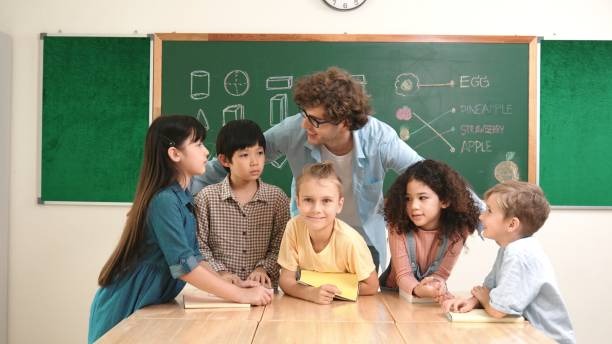
Creating an inclusive classroom environment is a vital aspect of special needs education.
As educators, parents, and community members, we all have a role in fostering a space where every child feels valued, accepted, and empowered to thrive.
In this article, we will explore some gentle and thoughtful ideas that can help you create an inclusive atmosphere, allowing each child to shine in their unique way.
A gentle approach to understanding diversity
The first step toward an inclusive classroom is understanding the diverse needs of students. Each child brings their individual strengths, challenges, and perspectives. By embracing this diversity, we not only enrich the learning experience but also promote empathy and respect among students. It’s essential to recognize that special needs education is not just about accommodating differences; it’s about celebrating them.
Creating a welcoming space
A welcoming classroom can make a significant difference in how students feel about their learning environment. Consider the physical layout of your classroom. Is it accessible to all students? Creating spaces where every child can move freely and comfortably is essential. This might mean arranging furniture to allow for easy navigation or providing various seating options to suit different needs.
Incorporating sensory-friendly elements can also enhance the classroom experience. Soft lighting, calming colors, and quiet corners can offer a refuge for students who may feel overwhelmed. These small adjustments can create a soothing atmosphere that promotes focus and engagement.
Cultivating connections through collaboration
Collaboration is key in an inclusive classroom. Encouraging teamwork among students helps build relationships and fosters a sense of belonging. Group activities can be designed to allow each child to contribute in their own way, whether through discussion, creative expression, or hands-on tasks. This not only enhances learning but also teaches valuable social skills.
Pairing students with different abilities in collaborative projects can create rich learning experiences. It encourages peer support, where students can learn from one another and appreciate their unique strengths. This collaborative spirit nurtures a sense of community, reinforcing that everyone has something valuable to offer.
Flexibility in teaching methods
Every child learns differently, and flexibility is crucial in meeting diverse educational needs. Adapting teaching methods to accommodate various learning styles can significantly enhance comprehension and retention. Consider incorporating visual aids, hands-on activities, and technology to engage students in multiple ways.
Offering choices in assignments can empower students to take ownership of their learning. For instance, allowing them to choose between a written report, a presentation, or a creative project can cater to individual strengths and interests. This flexibility not only supports learning but also fosters a sense of autonomy and confidence.
Encouraging self-advocacy
In an inclusive classroom, it’s important to encourage students to express their needs and advocate for themselves. Teaching self-advocacy skills helps students understand their strengths and challenges, empowering them to communicate effectively. This might involve role-playing scenarios where students practice asking for help or expressing their preferences.
Creating a culture of openness is essential for fostering self-advocacy. Encourage students to share their thoughts and feelings about their learning experiences. Regular check-ins can provide a platform for students to voice their concerns, celebrate their successes, and discuss what they need to thrive. This dialogue not only supports individual growth but also strengthens the classroom community.
Embracing the power of technology
Technology can be a powerful tool in supporting inclusive education. Assistive technologies can help bridge gaps in communication, learning, and engagement. From speech-to-text software to interactive learning apps, there are numerous resources available to enhance the educational experience for students with special needs.
Incorporating technology into lessons can also make learning more dynamic and engaging. Interactive presentations, educational games, and virtual field trips can captivate students’ attention and foster a love for learning. By leveraging technology, we can create an inclusive environment that resonates with all learners.
Fostering emotional well-being
Emotional well-being is a cornerstone of effective learning. An inclusive classroom should prioritize the mental health of all students. Implementing social-emotional learning (SEL) practices can help students develop essential skills such as empathy, resilience, and emotional regulation.
Creating a safe space for students to express their emotions is vital. Encouraging mindfulness practices, such as deep breathing or quiet reflection, can help students manage stress and anxiety. Additionally, integrating discussions about feelings and relationships into the curriculum can promote emotional awareness and understanding among peers.
Building strong home-school connections
Collaboration extends beyond the classroom. Building strong connections with families is essential in supporting students with special needs. Open communication with parents and caregivers fosters a partnership that enhances the educational experience. Regular updates about classroom activities, progress, and challenges can help families stay engaged and informed.
Inviting parents to participate in classroom events or volunteer opportunities can also strengthen the bond between home and school. This involvement allows families to share their insights and perspectives, enriching the learning environment for everyone. By working together, we can create a more comprehensive support system for students.
A commitment to ongoing learning
Finally, creating an inclusive classroom is an ongoing journey. Educators should commit to continuous learning about best practices in special needs education. Attending workshops, reading relevant literature, and connecting with other educators can provide valuable insights and strategies.
By staying informed and open to new ideas, we can adapt our approaches to better serve our students. The landscape of education is ever-evolving, and by embracing a mindset of growth, we can ensure that our classrooms remain inclusive and supportive for all learners.
In conclusion, fostering an inclusive classroom environment for special needs education is an enriching journey that benefits everyone involved. By embracing diversity, creating a welcoming space, encouraging collaboration, and prioritizing emotional well-being, we can cultivate a nurturing atmosphere where every child has the opportunity to thrive. Together, we can build a brighter future for all students, celebrating their unique contributions along the way.