Creating an inclusive classroom environment is a journey that requires thoughtfulness, empathy, and a commitment to fostering a space where every student feels valued and heard.
In today’s diverse educational landscape, inclusivity is not just a goal; it’s an essential aspect of effective teaching and learning.
By embracing this philosophy, educators can cultivate a nurturing atmosphere that promotes collaboration, understanding, and personal growth.
At the heart of an inclusive classroom lies the recognition that every student comes with unique experiences, backgrounds, and abilities. When teachers acknowledge these differences, they set the stage for a more enriching learning experience. This recognition begins with building relationships. Taking the time to get to know each student—their interests, strengths, and challenges—creates a foundation of trust. When students feel that their teacher genuinely cares about them, they are more likely to engage in the learning process and express themselves openly.
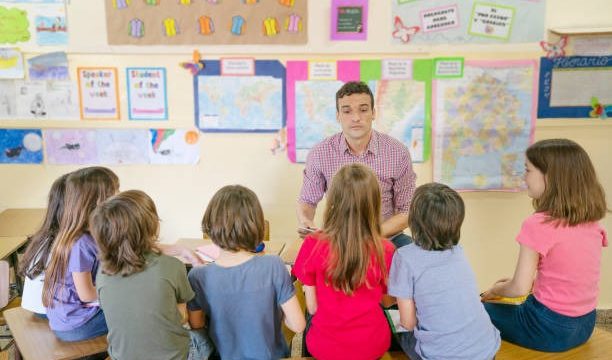
Creating a welcoming environment is another crucial step. This can be as simple as arranging the classroom in a way that encourages interaction or displaying diverse materials that reflect various cultures and perspectives. Incorporating books, art, and resources from different backgrounds fosters a sense of belonging among students. It tells them that their stories matter and that they are an integral part of the classroom community.
A small shift toward balance can make a significant difference in how students perceive their roles within the classroom. Encourage students to share their thoughts and ideas openly, creating opportunities for everyone to contribute. This might involve implementing group discussions where each voice is valued or using collaborative projects that require teamwork. By facilitating these interactions, educators can help students develop not only academic skills but also social and emotional competencies.
Diversity in teaching methods also plays a vital role in creating an inclusive environment. Recognizing that students learn in various ways is essential. Some may thrive in hands-on activities, while others excel through visual aids or auditory instruction. By incorporating a mix of teaching styles, educators can reach a broader range of learners. This approach not only benefits students with different learning preferences but also enriches the classroom experience as a whole.
Another aspect of inclusivity is the language used in the classroom. The words we choose can have a profound impact on students’ self-esteem and sense of belonging. Using inclusive language that avoids assumptions about gender, race, or ability helps create a safe space for all students. Encouraging students to express themselves in ways that feel comfortable to them, whether through spoken language, writing, or creative expression, reinforces the idea that their voices are important.
Embracing flexibility is also key in an inclusive classroom. Life is unpredictable, and students may face challenges that affect their learning. Being adaptable and understanding can make a world of difference. This might mean offering alternative assignments for students who need them or allowing for different ways to demonstrate understanding. Flexibility shows students that their individual needs are recognized and respected.
Creating a culture of respect is fundamental to inclusivity. This involves setting clear expectations for behavior and fostering an atmosphere where kindness and empathy flourish. When students understand the importance of treating one another with respect, they are more likely to support each other in their learning journeys. Encouraging students to stand up against bullying and to be allies for one another cultivates a sense of community that extends beyond the classroom walls.
It’s essential to engage families in this process as well. Building partnerships with parents and guardians can enhance the sense of belonging for students. Inviting families to share their cultures and traditions enriches the classroom experience and strengthens the bond between home and school. When families feel included and valued, students are more likely to thrive academically and socially.
Creating an inclusive classroom environment is an ongoing process that requires reflection and growth. Regularly assessing the classroom’s dynamics and seeking feedback from students can provide valuable insights into what’s working and what might need adjustment. This practice not only reinforces the idea that everyone’s opinion matters but also models the importance of continuous improvement.
As educators embark on this journey, it’s important to remember that inclusivity benefits everyone. When students learn in a diverse and supportive environment, they gain a broader understanding of the world around them. They develop empathy and appreciation for differences, preparing them to navigate an increasingly interconnected society.
In conclusion, fostering an inclusive classroom environment is a beautiful and rewarding endeavor. By building relationships, creating a welcoming space, embracing diverse teaching methods, using inclusive language, remaining flexible, cultivating respect, and engaging families, educators can create a nurturing atmosphere where every student feels valued. This journey, while sometimes challenging, ultimately leads to a richer educational experience for all. In doing so, educators not only shape confident learners but also compassionate individuals who will contribute positively to their communities.