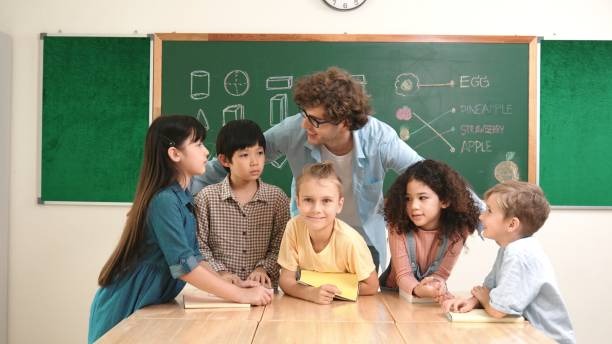
In today’s diverse educational landscape, understanding and supporting students with learning differences is more important than ever.
Each child is unique, with their own set of strengths and challenges.
For those who learn differently, a tailored approach can make all the difference in helping them thrive academically and personally.
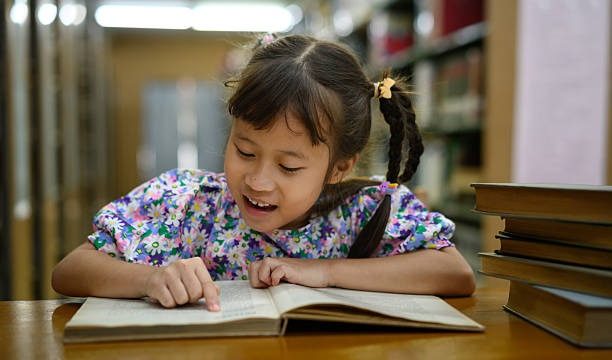
Creating an environment that fosters success for these students begins with awareness. Learning differences can manifest in various forms, including dyslexia, ADHD, and autism spectrum disorders, among others. Recognizing that these differences are not deficits but rather variations in learning styles allows educators and parents to adopt a more compassionate and effective approach.
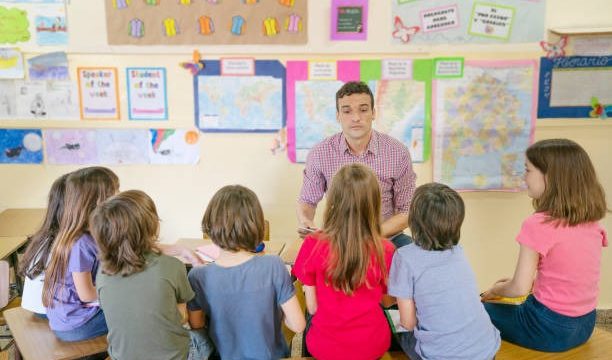
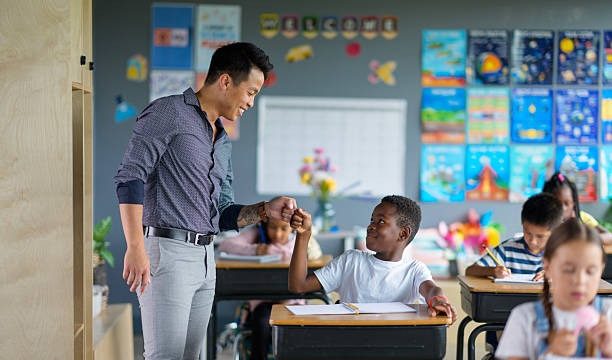
A gentle shift toward understanding can open doors to meaningful connections. For educators, this means being observant and responsive to each student’s needs. It involves creating a classroom atmosphere where every child feels valued and understood. Instead of a one-size-fits-all methodology, personalized strategies can be applied to engage students in ways that resonate with them. This might include using visual aids for those who benefit from seeing information, or providing hands-on activities for kinesthetic learners.
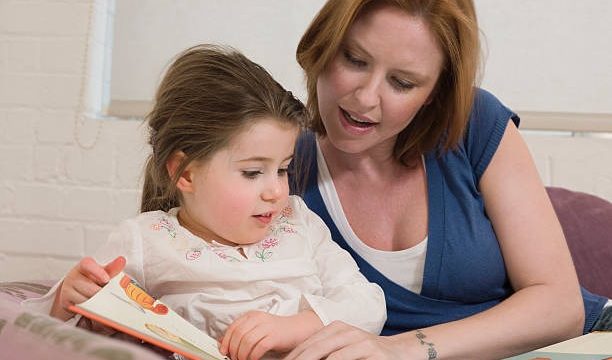
In the home environment, parents play a crucial role in supporting their children. Open communication is essential. Regular conversations about school experiences create a safe space for children to express their feelings and challenges. This dialogue not only strengthens the parent-child bond but also helps parents gain insight into their child’s unique learning needs. By actively listening, parents can better advocate for their child, whether that means working with teachers to adjust learning plans or seeking additional resources.
Creating a nurturing environment extends beyond the classroom and home. The community also has a role to play. Local organizations and support groups can provide valuable resources and a sense of belonging for families navigating the complexities of learning differences. Workshops and seminars can offer insights into effective strategies, while social gatherings can help children connect with peers who share similar experiences.
A mindful approach to learning can also benefit students with differences. Mindfulness practices, such as meditation or deep-breathing exercises, can help these students manage anxiety and improve focus. Simple techniques, like taking a few moments to breathe deeply before starting a test or engaging in a challenging task, can cultivate a sense of calm, allowing students to approach their work with confidence.
In addition to mindfulness, embracing creativity can be a powerful tool in the academic journey. Encouraging artistic expression, whether through drawing, writing, or music, can provide students with an outlet to explore their thoughts and emotions. This creative freedom not only enhances self-esteem but also reinforces learning by allowing students to connect with material in a way that feels authentic to them.
As students progress in their educational journey, fostering self-advocacy becomes essential. Teaching children to articulate their needs helps them navigate both academic and social situations. Simple role-playing scenarios can empower students to express their preferences or seek assistance when necessary. This skill not only benefits them in school but also prepares them for future interactions in various aspects of life.
It’s equally important to highlight the strengths that often accompany learning differences. Many students with unique learning styles possess exceptional creativity, resilience, and problem-solving abilities. By focusing on these strengths, parents and educators can help students build a positive self-image. Celebrating small victories, whether it’s mastering a new concept or successfully completing a project, reinforces the idea that learning is a journey filled with growth and discovery.
In a world that can sometimes feel overwhelming, the importance of building a supportive network cannot be understated. Friends, family, and educators who understand and value a student’s individuality can create an empowering atmosphere. Collaborative efforts to celebrate diversity in learning can lead to a more inclusive environment, fostering acceptance and understanding among peers.
As we navigate the complexities of education, it’s vital to remember that every child deserves the opportunity to excel. Supporting students with learning differences requires patience, empathy, and creativity. By embracing a holistic approach that nurtures both academic skills and emotional well-being, we can help these students not only succeed in school but also prepare them for a fulfilling life beyond the classroom.
Ultimately, the goal is to create a rich tapestry of learning experiences. By weaving together the threads of understanding, compassion, and support, we can help students with learning differences flourish. Together, we can cultivate an environment where every child feels empowered to embrace their unique journey, unlocking their full potential and discovering the joy of learning in all its forms.
In the grand scheme of education, it is the small, consistent efforts that lead to significant change. Whether through a kind word from a teacher, a supportive conversation at home, or the shared experiences of a community, these moments accumulate to create a foundation of confidence and resilience. As we advocate for students with learning differences, let’s continue to nurture a culture of kindness that celebrates each individual’s unique contributions to the world.