Creating Adaptive Learning Materials for Special Needs Students
In the realm of education, the importance of inclusive practices cannot be overstated, especially when it comes to supporting special needs students.
Every child deserves the opportunity to learn in an environment that caters to their unique strengths and challenges.
One of the most impactful ways to achieve this is by developing adaptive learning materials tailored to individual needs.
This process not only fosters a sense of belonging but also enhances motivation and engagement among students.
Understanding the diverse needs of special needs students is the first step in crafting effective learning materials. Each child comes with their own set of abilities and challenges, which may stem from various conditions such as learning disabilities, autism spectrum disorders, or physical impairments. By embracing this diversity, educators and caregivers can create a nurturing educational experience that is both enriching and empowering.
A gentle approach to adaptation
When we think about adaptive learning materials, it’s essential to consider the flexibility they offer. Rather than a one-size-fits-all solution, these materials should be like a well-fitted garment—tailored to meet the specific needs of each student. This might mean adjusting the complexity of texts, incorporating visual aids, or providing hands-on learning experiences that resonate with a child’s interests.
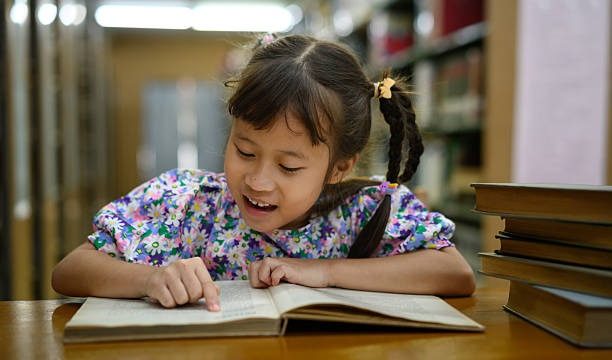
For instance, a student with dyslexia may benefit from reading materials that are visually engaging and use larger fonts or colored overlays to reduce visual stress. Similarly, a child on the autism spectrum might thrive with interactive resources that incorporate their interests, making learning feel relevant and exciting. By taking the time to understand what works best for each child, educators can create a more inclusive atmosphere that encourages exploration and curiosity.
Creating a sensory-friendly environment
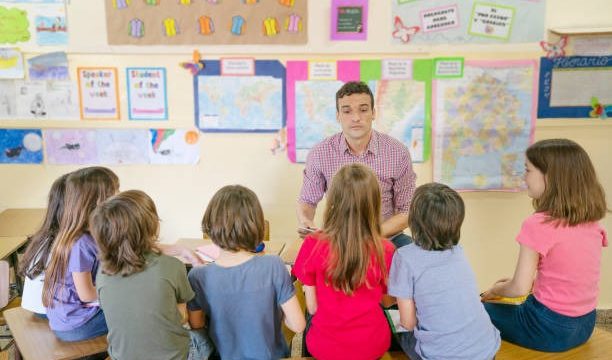
The physical learning environment also plays a crucial role in the effectiveness of adaptive materials. For many special needs students, sensory sensitivities can significantly impact their ability to focus and engage. A classroom that is too bright, noisy, or cluttered can create barriers to learning.
Incorporating sensory-friendly elements into the classroom can make a world of difference. Soft lighting, calming colors, and designated quiet spaces allow students to feel safe and comfortable. Additionally, providing fidget tools or sensory breaks can help students regulate their emotions and maintain focus. When the environment is supportive, adaptive materials can be utilized more effectively, paving the way for a successful learning experience.
The power of collaboration
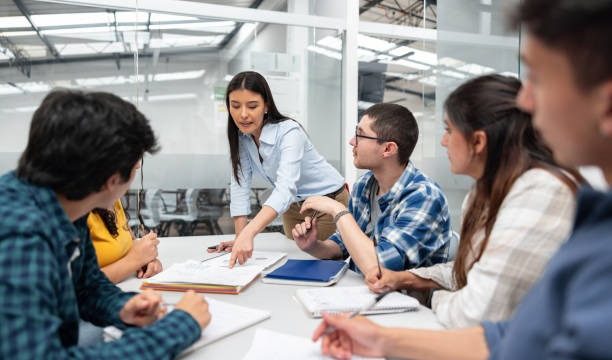
Creating adaptive learning materials is not a solo endeavor. Collaboration among educators, specialists, and families is vital for understanding the unique needs of each student. Open communication fosters a sense of community, allowing for the sharing of ideas and resources that can enhance the learning experience.
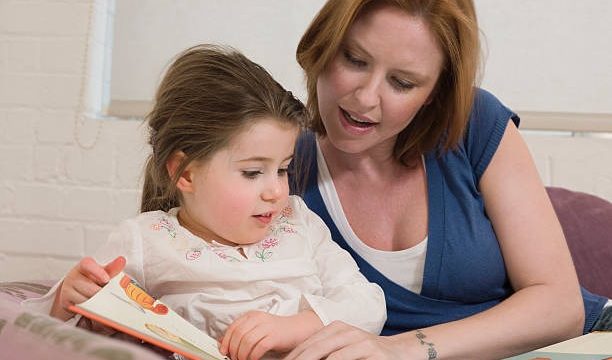
For example, teachers can work closely with speech therapists, occupational therapists, and parents to gather insights about a child’s strengths and challenges. This information can then be used to create customized learning materials that resonate with the student’s learning style. Furthermore, involving students in the process can empower them to take an active role in their education, helping them feel more invested in their learning journey.
Embracing technology as an ally
In today’s digital age, technology offers an array of tools that can support adaptive learning. From educational apps to interactive games, these resources can provide personalized learning experiences that cater to individual needs. For instance, software that uses gamification can make learning more engaging for students who may struggle with traditional methods.
Moreover, assistive technology such as speech-to-text programs, screen readers, and adaptive devices can bridge gaps for students with physical disabilities or learning difficulties. By integrating these tools into the classroom, educators can enhance accessibility and create an environment where every student has the chance to thrive.
Fostering a growth mindset
At the heart of adaptive learning is the belief in the potential for growth and development. Encouraging a growth mindset in special needs students can be transformative. This mindset promotes the idea that abilities can be developed through dedication and hard work.
Celebrating small victories, no matter how minor they may seem, can instill a sense of accomplishment and motivate students to keep striving for improvement. By focusing on progress rather than perfection, educators can help students build resilience and confidence in their abilities. This positive reinforcement is essential in creating a nurturing and supportive learning environment.
The role of creativity
Creativity is a powerful tool in developing adaptive learning materials. Incorporating art, music, and movement into lessons can make learning more enjoyable and accessible for special needs students. These creative elements can help students express themselves in ways that traditional methods may not allow.
For instance, using music to teach concepts can engage auditory learners, while hands-on activities can benefit kinesthetic learners. By tapping into various forms of expression, educators can create a rich tapestry of learning experiences that resonate with each student’s unique preferences.
A journey of continuous improvement
Creating adaptive learning materials is an ongoing journey rather than a destination. As educators gain insights into the effectiveness of their materials, they can make necessary adjustments to better meet the needs of their students. This process of reflection and refinement is essential in fostering an inclusive environment that celebrates diversity and promotes learning for all.
Being open to feedback from students, parents, and fellow educators can provide valuable perspectives that enhance the adaptive materials. By embracing this collaborative spirit, the educational community can work together to create a more equitable learning landscape, where every child has the opportunity to shine.
In conclusion, creating adaptive learning materials for special needs students is a vital aspect of fostering an inclusive educational environment. By understanding individual needs, collaborating with others, leveraging technology, and embracing creativity, we can create enriching learning experiences that empower every child to reach their full potential. As we continue on this journey, let us remember that every small effort contributes to a more inclusive future, where every student feels valued and capable of achieving their dreams.