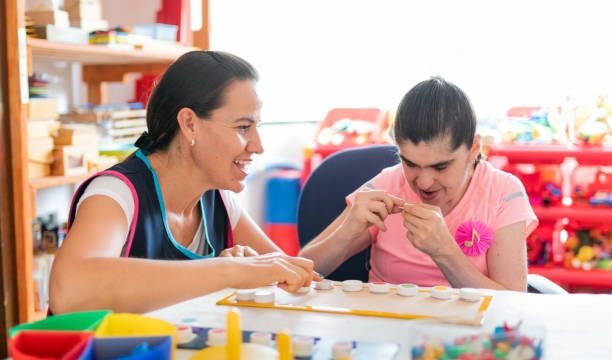
Supporting Fine Motor Skills in Special Needs Learning
In a world that often celebrates milestones like first steps and first words, it’s easy to overlook the importance of fine motor skills.
For many children, especially those with special needs, developing these skills can be a journey marked by unique challenges and triumphs.
Fine motor skills—the ability to use small muscles for tasks like writing, buttoning shirts, or holding a spoon—play a crucial role in everyday life.
As caregivers, educators, and family members, there are gentle ways we can support these skills, creating a nurturing environment where children can thrive.
Creating a Comfortable Space
A welcoming and comfortable environment is the foundation for any learning experience. For children with special needs, this becomes even more significant. When a child feels safe and at ease, they are more likely to engage in activities that promote fine motor skill development. Consider setting up a designated area filled with materials that encourage exploration. This could include textured fabrics, colorful beads, or even simple tools like scissors and glue. The key is to create a space that invites curiosity without overwhelming.
Engaging in Everyday Activities
Incorporating fine motor skill development into daily routines can be both enjoyable and beneficial. Simple tasks like cooking together can provide an excellent opportunity for practice. Measuring ingredients, stirring batter, or cutting fruits and vegetables allows children to use their hands in a meaningful way. Not only does this promote fine motor skills, but it also fosters a sense of accomplishment and belonging as they contribute to family meals.
Another everyday activity that can be surprisingly effective is dressing. Allowing children to choose their clothes and encouraging them to dress themselves can enhance their dexterity. Buttoning shirts, zipping zippers, and tying shoelaces may take time and patience, but each small success builds confidence. Providing clothing with varied fastenings can make this a fun and engaging task.
The Power of Play
Play is a vital part of childhood development, and it serves as an excellent vehicle for promoting fine motor skills. Activities that involve building, such as stacking blocks or assembling puzzles, can improve hand-eye coordination and dexterity. Art projects, too, are invaluable. Painting, drawing, and crafting with clay not only stimulate creativity but also strengthen those essential small muscles in the hands and fingers.
When selecting toys or activities, consider those that require manipulation. Toys that involve threading, squeezing, or twisting can be particularly beneficial. Even something as simple as playing with playdough can provide sensory feedback and enhance fine motor control. The beauty of play lies in its natural ability to engage children while supporting their development.
Encouraging Exploration and Experimentation
As children navigate their world, encouraging them to explore and experiment can significantly enhance their fine motor skills. Provide opportunities for them to engage with various materials. Sensory bins filled with rice, beans, or sand can offer a tactile experience that encourages digging, pouring, and scooping. These actions are not just fun; they are building blocks for developing coordination and control.
Outdoor play is another fantastic avenue for exploration. Activities like digging in the garden, collecting leaves, or even playing with water can promote fine motor skills in a relaxed setting. Nature itself offers an array of textures and challenges that can stimulate curiosity and encourage children to use their hands in new and exciting ways.
Fostering Patience and Persistence
As we support children in developing their fine motor skills, it’s essential to cultivate an environment that values patience and persistence. Each child’s journey is unique, and progress may come at different paces. Celebrating even the smallest achievements can motivate and inspire them to keep trying. Remember that setbacks are a natural part of learning, and fostering a growth mindset can help children view challenges as opportunities for growth rather than obstacles.
In moments of frustration, offering encouragement and understanding can make a world of difference. Reinforcing the idea that it’s okay to make mistakes and that every effort counts can empower children to embrace the learning process. This gentle approach not only aids in skill development but also nurtures resilience and self-esteem.
Connecting with Professionals
While there are many ways to support fine motor skill development at home, connecting with professionals can also be incredibly beneficial. Occupational therapists, for example, specialize in helping children develop the necessary skills to engage in daily activities. They can provide tailored strategies and activities that fit a child’s unique needs and strengths. Collaborating with educators and therapists can create a holistic approach that enhances the learning experience.
A small shift toward balance
Supporting fine motor skills in special needs learning is a multifaceted journey that encompasses patience, creativity, and love. By creating a nurturing environment, engaging in everyday activities, and encouraging exploration, we can help children build the skills they need to navigate their world with confidence. Every small step taken is a victory worth celebrating, leading to a richer, more fulfilling life experience.
As we embark on this journey together, let’s remember the importance of community. Sharing experiences and insights with other caregivers can provide not only support but also inspiration. Together, we can create a landscape where every child has the opportunity to flourish, embracing the unique path of their development. The beauty of this journey lies in the connections we build and the joy we find in the process.