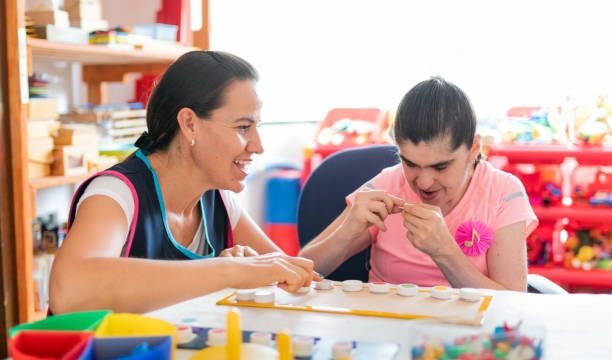
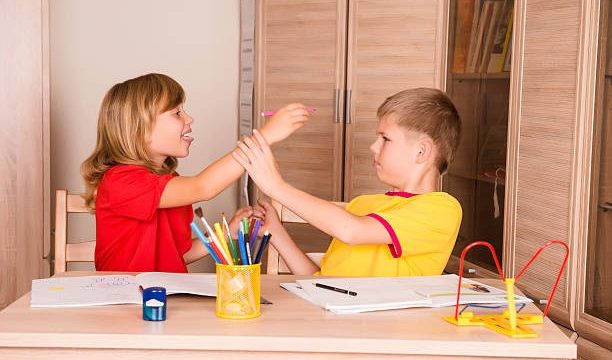
Creating a nurturing and engaging learning environment for children with special needs at home can be both rewarding and challenging.
Every child is unique, and this individuality often calls for tailored approaches that cater to specific learning styles and preferences.
Here, we explore some practical tips that can help parents and caregivers foster a supportive learning atmosphere.
Understanding individual needs is the first step toward creating an effective learning environment. Each child has their own strengths, challenges, and interests. Take time to observe how your child learns best. Do they thrive in quiet moments, or do they need a little background noise? Do they prefer visual aids, hands-on activities, or verbal instructions? By tuning into these nuances, you can create a more personalized and engaging experience.
Creating a dedicated learning space at home can also make a significant difference. This space doesn’t have to be elaborate; a simple corner of a room with some essential supplies can do wonders. Ensure that the area is well-lit, comfortable, and free from distractions. Having a designated spot for learning helps signal to your child that it’s time to focus and engage in educational activities. Personalize this space with items that resonate with your child, such as their favorite colors or artwork. This can make the space feel inviting and special.
A consistent routine is another crucial element in supporting special needs learning at home. Children often find comfort in structure, and having a predictable schedule can help them feel secure. Create a daily routine that includes designated times for learning, play, and relaxation. Visual schedules can be particularly helpful, as they provide a clear outline of what to expect throughout the day. This not only aids in time management but also helps your child develop a sense of autonomy and responsibility.
Incorporating play into learning is a wonderful way to keep your child engaged. Learning through play can enhance understanding and retention while making the process enjoyable. Use games, puzzles, and creative activities to teach various subjects. For example, counting can be practiced with building blocks, while storytelling can be explored through puppet shows. The key is to blend education with fun, allowing your child to learn naturally and joyfully.
Sensory experiences are also important to consider. Many children with special needs respond positively to sensory activities, which can help with focus and engagement. Experiment with different textures, sounds, and visuals in your learning activities. Activities like sensory bins filled with rice or beans, water play, or even simple art projects can stimulate the senses and make learning more dynamic. Tailor these experiences to your child’s preferences, as some may enjoy more tactile activities while others might prefer auditory or visual stimuli.
Encouraging independence is another vital aspect of learning at home. While support is essential, allowing your child to take on tasks independently can foster confidence and self-esteem. Start small by giving them simple responsibilities, like choosing their outfit for the day or organizing their learning materials. Celebrate their successes, no matter how minor they may seem. This approach not only builds skills but also promotes a sense of achievement and pride.
Communication is key in any learning environment, and this is especially true for children with special needs. Open dialogue about feelings, preferences, and challenges can facilitate a better understanding of your child’s needs. Encourage them to express themselves verbally or through alternative methods, such as drawing or using communication devices. Being attuned to their feelings helps you adjust learning approaches and create a more supportive atmosphere.
Incorporating technology can also enhance learning experiences. Many educational apps and online resources are designed specifically for children with special needs. These tools can provide interactive and engaging ways to learn various subjects. However, moderation is crucial; ensure that screen time is balanced with other forms of learning and physical activity. It’s all about finding the right blend that works for your child.
Fostering social connections is another important aspect of learning. While learning at home can sometimes feel isolating, finding ways to connect with peers can enrich your child’s experience. Look for local support groups, online forums, or virtual meet-ups that focus on shared interests. Engaging with others who have similar experiences can provide not only social interaction but also valuable insights and support for you as a parent or caregiver.
Finally, practicing self-care is essential for both you and your child. The journey of supporting special needs learning at home can be fulfilling, but it can also be demanding. Taking time for yourself allows you to recharge and approach each day with renewed energy and positivity. Whether it’s enjoying a quiet moment with a book, going for a walk, or connecting with friends, self-care is vital. When you feel balanced and at ease, you are better equipped to create a nurturing environment for your child.
In conclusion, fostering a supportive learning environment for children with special needs at home involves understanding their unique needs, creating a structured routine, and incorporating play and sensory experiences. Encouraging independence, promoting open communication, and integrating technology can also enhance the learning journey. Remember to prioritize self-care for yourself as well. With patience, creativity, and love, you can help your child thrive and flourish in their learning experiences at home.