When it comes to teaching, creating an engaging lesson plan can feel like an art form.
The excitement that comes from a well-structured lesson can ignite a spark in students, transforming a typical classroom experience into an adventure of discovery.
The goal is to foster a love for learning that extends beyond the walls of the classroom, and the right lesson plan can do just that.
Finding the heart of learning begins with understanding the diverse ways in which students engage with material. Every child is unique, with their own interests and learning styles. By tapping into these differences, educators can create lessons that resonate on a personal level. Consider a lesson that weaves in storytelling. Humans have been captivated by stories since the dawn of time; they are a powerful tool for connection. When a lesson is framed within a narrative, students can relate to the material in a more meaningful way.
Imagine a science lesson about the water cycle told through the journey of a raindrop. This simple shift in perspective invites students into a world of imagination while they absorb vital information. By personifying the raindrop, you help them visualize the process, encouraging them to ask questions and make connections. This narrative approach not only makes the lesson more engaging but also helps students retain information better.
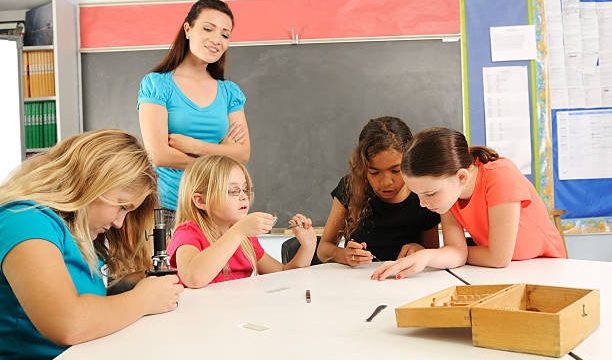
Another way to make learning exciting is through hands-on activities. The sensation of touch, the thrill of experimentation, and the joy of creation can turn a mundane lesson into a memorable experience. For instance, in a history lesson about ancient civilizations, students could construct models of structures or artifacts. This tactile involvement allows them to see and feel the history they are studying, making it real and relevant. Engaging their senses can lead to deeper understanding and retention, as well as foster collaboration among classmates.
Incorporating technology can also breathe new life into lesson plans. In today’s digital age, students are often more excited about learning when technology is involved. Virtual field trips, interactive simulations, and educational games can transform a traditional lesson into an immersive experience. For example, a geography lesson could include a virtual tour of the Amazon rainforest, allowing students to explore the environment and its biodiversity without leaving the classroom. This type of engagement not only piques their interest but also encourages them to think critically about the world around them.
Creating a connection to real-world applications can further enhance the excitement of learning. When students see how what they are learning applies to their lives, their motivation to engage increases. A math lesson can be made more relevant by incorporating budgeting for a class event, allowing students to practice their skills in a practical setting. By contextualizing lessons, you help students understand that learning isn’t just something that happens in school; it’s a lifelong journey that impacts their everyday lives.
A small shift toward balance can also play a crucial role in lesson planning. While it’s important to incorporate a variety of engaging activities, it’s equally essential to allow for moments of reflection and quiet learning. This balance can help students process new information and connect it to their existing knowledge. Consider including time for journaling or group discussions that encourage students to express their thoughts and feelings about what they’ve learned. These moments can foster a sense of community in the classroom, giving students a space to share their insights and perspectives.
Another effective approach is to invite student choice into the lesson planning process. When students have a say in their learning, they are more likely to feel invested in the outcome. This could be as simple as allowing them to choose a project topic or the format of their presentation. Empowering students in this way can lead to increased enthusiasm and creativity, as they take ownership of their learning journey.
Collaboration is another key ingredient to making learning exciting. When students work together, they can share ideas, challenge each other’s thinking, and learn from one another. Group projects or peer teaching can cultivate a sense of camaraderie and community. The social aspect of learning can be incredibly motivating, as students realize they are part of a larger team working toward a common goal. It encourages communication skills, empathy, and the ability to appreciate diverse perspectives.
As we think about lesson plans that create excitement, it’s also important to remember the role of humor. Laughter can be a powerful tool in the classroom, breaking down barriers and creating a positive atmosphere. Incorporating light-hearted moments or funny anecdotes can make lessons more enjoyable and memorable. This doesn’t mean that the lesson loses its substance; rather, it becomes more relatable and engaging for students.
Ultimately, the key to creating lesson plans that make learning exciting lies in the blend of creativity, relevance, and connection. By fostering an environment where students feel valued and engaged, educators can inspire a love for learning that lasts a lifetime. It’s about igniting curiosity, encouraging exploration, and nurturing a sense of wonder.
In this ever-evolving landscape of education, we have the opportunity to shape the way students perceive learning. By embracing innovative approaches and fostering meaningful connections, we can transform lesson plans into vibrant experiences that resonate deeply with students. The excitement of learning is not just about the content; it’s about the journey, the discoveries, and the joy of exploration. As we craft these experiences, we pave the way for future generations to become lifelong learners, eager to uncover the world around them.