Creating engaging classroom discussions can sometimes feel like a delicate dance.
It requires a blend of enthusiasm, respect, and curiosity, allowing every voice to be heard while encouraging deeper exploration of ideas.
If you’re looking to infuse a little more dynamism into your classroom conversations, here are some thoughtful tips to help you cultivate a vibrant dialogue.
Encouraging Open Communication
One of the most important aspects of fostering dynamic discussions is establishing an atmosphere of open communication. When students feel safe to express their thoughts without fear of judgment, they’re more likely to participate actively. Consider starting each class with a brief check-in, allowing students to share their feelings or experiences related to the topic at hand. This practice not only warms up the room but also sets the tone for respectful engagement.
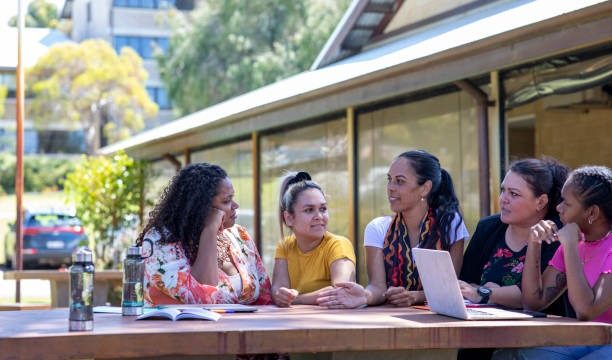
Creating a comfortable space for dialogue can include both physical and emotional elements. Arrange seating in a circle or small groups to promote eye contact and connection. This setup encourages students to engage with one another rather than simply facing the front of the classroom. Moreover, remind students that all opinions are valid, emphasizing that differing viewpoints enrich the conversation.
Inviting Diverse Perspectives
One way to invigorate classroom discussions is by inviting diverse perspectives. Encourage students to bring in their own experiences, cultures, and insights related to the topic. This not only makes the conversation more interesting but also teaches students the value of empathy and understanding. Consider integrating multimedia resources—such as videos, articles, or guest speakers—that reflect various viewpoints. This can help spark curiosity and prompt students to think critically about the subject matter.
When students share personal stories or connections to the topic, it often leads to more profound discussions. These narratives can serve as starting points for deeper exploration, prompting questions and reflections that might not arise from a textbook alone. By valuing each contribution, you cultivate an environment where students feel empowered to engage authentically.
Fostering Curiosity through Questions
Asking the right questions can be a powerful catalyst for dynamic discussions. Instead of leading with closed questions that elicit simple yes or no answers, try to frame your inquiries in a way that invites deeper thinking. Open-ended questions encourage students to elaborate on their thoughts, share their reasoning, and explore the nuances of their opinions. For instance, “What do you think about this idea?” can lead to a more substantial conversation than simply asking, “Do you agree?”
Additionally, consider employing the art of follow-up questions. When a student shares their perspective, ask them to elaborate or clarify their thoughts. This not only shows that you value their input but also encourages them to think more critically about their own ideas. By modeling curiosity and active listening, you inspire students to do the same with their peers.
Embracing Playfulness
Incorporating elements of play into classroom discussions can transform the atmosphere and make learning feel more enjoyable. Consider using role-playing or debates to explore complex topics. These activities encourage students to step into different perspectives, allowing them to engage with the material in a fun and interactive way. The laughter and creativity that arise from such activities can break down barriers and foster a sense of community among students.
Another playful approach is to incorporate games that promote discussion. For instance, using a “hot seat” format, where one student answers questions from their peers while sitting in a designated chair, can create excitement and anticipation. This not only encourages participation but also helps students practice their speaking and listening skills in a supportive environment.
Nurturing Reflection and Synthesis
After a lively discussion, it’s essential to provide students with the opportunity to reflect on what they’ve learned. Encourage them to take a moment to jot down their thoughts or share key takeaways with a partner. This practice not only reinforces their understanding but also allows them to synthesize the diverse ideas that emerged during the conversation.
Consider dedicating a few minutes at the end of the class for students to share their reflections in a circle. This closing ritual can help solidify their learning and foster a sense of closure. It also invites students to recognize the value of their contributions and the richness of the collective dialogue.
Building Community Through Collaborative Learning
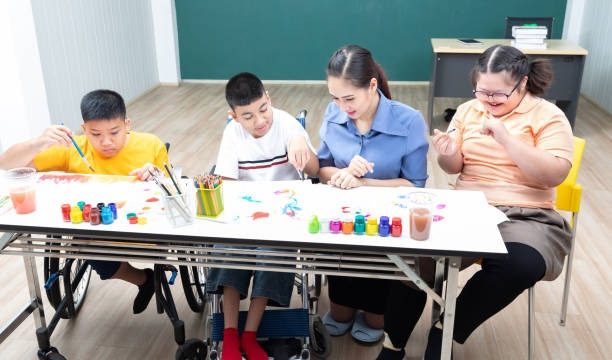
Creating a sense of community in the classroom is vital for dynamic discussions. When students feel connected to one another, they’re more likely to engage in meaningful conversations. Consider incorporating collaborative learning activities that require teamwork, such as group projects or peer teaching. These experiences not only build relationships but also encourage students to share their knowledge and perspectives in a supportive environment.
As students work together, they often discover that their voices matter in the collective dialogue. This sense of belonging can lead to more robust discussions, as students feel more comfortable sharing their insights and challenging one another’s ideas. Emphasizing collaboration over competition fosters a spirit of camaraderie that can enrich the learning experience.
Cultivating a Growth Mindset
Lastly, nurturing a growth mindset in your classroom can significantly impact the quality of discussions. Encourage students to view challenges as opportunities for growth rather than obstacles. This mindset shift can lead to increased resilience and a willingness to engage in difficult conversations.
When students understand that making mistakes is a natural part of the learning process, they are more likely to take risks in their thinking and express their ideas confidently. Celebrate the effort it takes to participate, regardless of the outcome. By creating an environment where growth is valued, you empower students to engage more deeply in discussions.
As you embark on the journey of making classroom discussions more dynamic, remember that every small shift can create a ripple effect. By fostering open communication, inviting diverse perspectives, and nurturing curiosity, you can cultivate a enriching environment for dialogue. Embrace playfulness, encourage reflection, and build community—all while nurturing a growth mindset. With patience and creativity, you’ll find that your classroom can become a vibrant space for exploration and connection, where every voice is valued and every discussion is a step toward deeper understanding.