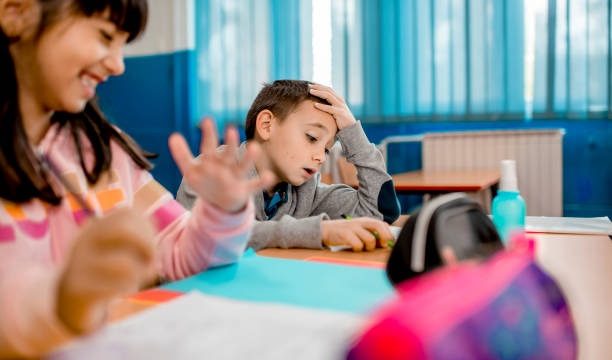
Supporting students with behavioral challenges is a journey that many educators and parents embark on, often filled with both heartwarming moments and tough obstacles.
Understanding and addressing these challenges requires a gentle approach, one that recognizes the unique needs of each child while fostering a nurturing environment.
As we explore ways to support these students, it’s essential to remember that behind every behavior is a story, a feeling, and a need waiting to be understood.
Creating a nurturing environment is the first step in supporting students who may struggle with behavioral challenges. Classrooms and homes should be places where children feel safe, respected, and valued. This sense of security encourages them to express their thoughts and emotions openly. When students know they are in a supportive space, they are more likely to engage positively with their peers and educators. Simple gestures, like greeting students warmly or providing consistent routines, can go a long way in building trust and stability.
A small shift toward balance can make a significant difference in how students respond to their surroundings. Often, children with behavioral challenges may feel overwhelmed by sensory inputs or social dynamics. By creating a calm classroom atmosphere—perhaps through soft lighting, quiet zones, or soothing background music—educators can help mitigate some of the anxiety that triggers challenging behaviors. These adjustments not only support students with specific needs but also promote a more harmonious environment for all.
Understanding the root cause of behaviors is crucial in providing effective support. Each child has unique experiences that shape their responses to different situations. Engaging in open dialogue with students can reveal underlying concerns that may contribute to their behavior. This connection fosters empathy and helps educators tailor their approaches to meet individual needs. Take time to listen to students, ask questions, and show genuine interest in their feelings. When children feel heard, they are more likely to cooperate and engage positively.
Another essential aspect of supporting students is the importance of teaching emotional regulation. Many children with behavioral challenges may struggle to identify and manage their emotions effectively. Integrating social-emotional learning into the curriculum can empower students with the tools they need to navigate their feelings. Activities like role-playing, mindfulness exercises, or simply discussing various emotions can equip students with the skills to express themselves appropriately. This not only aids in their personal development but also enhances their relationships with peers and teachers.
Encouraging positive behavior through reinforcement is an effective strategy that can create a nurturing atmosphere. Rather than solely focusing on correcting negative behaviors, highlighting and rewarding positive actions fosters a growth mindset. Simple acknowledgments, like verbal praise or small incentives, can motivate students to make better choices. This approach emphasizes the idea that everyone has the potential for improvement, helping students feel optimistic about their journey.
Collaboration with families is another vital piece of the puzzle. Parents and caregivers often have valuable insights into their child’s behavior and can provide context that enhances understanding. Establishing open lines of communication between home and school creates a unified approach to supporting students. Regular check-ins, updates, and discussions about strategies that work at home can lead to a more cohesive support system. This partnership not only benefits the child but also strengthens the community around them.
While it’s essential to focus on individual support, fostering a sense of community in the classroom is equally important. Encouraging students to support one another can create an inclusive environment where everyone feels valued. Group activities, team-building exercises, and peer mentoring can help students develop empathy and understanding. When students work together, they learn to appreciate each other’s differences, fostering a culture of acceptance and kindness.
As we navigate the complexities of supporting students with behavioral challenges, it’s important to remember that patience is key. Change takes time, and progress may not always be linear. Celebrating small victories, whether it’s a student successfully managing a challenging situation or exhibiting kindness towards a classmate, helps maintain motivation and reinforces positive behavior. Each step forward, no matter how small, deserves recognition.
Moreover, self-care for educators and parents is crucial in this journey. Supporting students with behavioral challenges can be emotionally taxing, and it’s vital for caregivers to prioritize their well-being. Taking time for oneself, seeking support from colleagues or communities, and engaging in stress-reducing activities can help maintain a balanced perspective. When caregivers are in a positive place, they are better equipped to support their students effectively.
In conclusion, supporting students with behavioral challenges is a multifaceted endeavor that requires compassion, understanding, and collaboration. By creating a nurturing environment, fostering emotional regulation, and building strong partnerships with families, we can provide the support these students need to thrive. Every child is unique, and by embracing their individuality, we can help them navigate their challenges and celebrate their successes. As we embark on this journey together, let’s remember that our ultimate goal is to empower each student to reach their full potential, creating a brighter, more inclusive future for all.