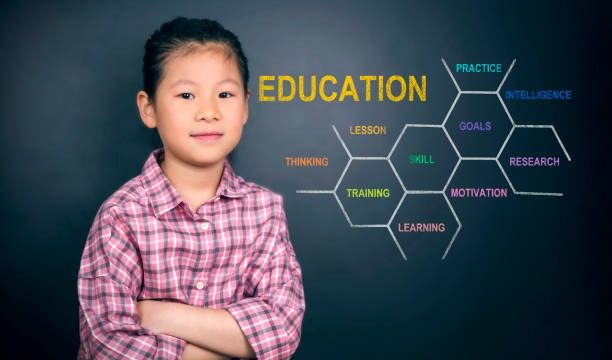
In today’s fast-paced world, where information is at our fingertips and opinions abound, encouraging students to think critically has become more important than ever.
Critical thinking is not just a skill; it’s a way of navigating life, a means of making sense of the world around us.
As educators, parents, and mentors, we can play a vital role in fostering this essential ability in our students.
Nurturing curiosity is one of the first steps in encouraging critical thinking. When students feel free to ask questions and explore ideas, they begin to engage with the material on a deeper level. Curiosity acts as a bridge, connecting them to concepts that might otherwise seem distant or abstract. Encouraging them to ask “why” and “how” can lead to rich discussions and a deeper understanding of the subject matter. Whether it’s in a classroom setting or during a casual conversation, creating an environment where inquiries are welcomed can ignite their passion for learning.
Creating a safe space for expression is equally important. Students need to feel that their thoughts and opinions are valued. This can be achieved by promoting respectful dialogue and open-mindedness in discussions. When students share their perspectives, they learn to articulate their thoughts clearly, listen to differing viewpoints, and refine their arguments. This practice not only enhances their critical thinking skills but also fosters empathy and understanding among peers.
Encouraging students to analyze information critically can also be a transformative experience. In an age where misinformation is prevalent, teaching students to evaluate sources and discern credible information is crucial. Simple exercises, like comparing articles from different outlets or analyzing advertisements, can help them understand bias and perspective. This process not only sharpens their critical thinking abilities but also empowers them to make informed decisions in their everyday lives.
A gentle shift toward problem-solving can further enhance critical thinking skills. Presenting students with real-world challenges can inspire them to think creatively and innovatively. Whether it’s a community issue or a hypothetical scenario, encouraging them to brainstorm solutions fosters collaboration and out-of-the-box thinking. This approach helps students recognize that there may be multiple solutions to a problem, each with its own set of advantages and disadvantages.
Incorporating reflective practices into learning can also deepen students’ critical thinking. Encouraging them to take a moment to reflect on what they’ve learned, how they’ve learned it, and why it matters can lead to profound insights. Journaling, group discussions, or even one-on-one conversations can be powerful tools for this purpose. When students reflect on their experiences, they develop a greater awareness of their thought processes and a deeper understanding of the subject matter.
Cultivating a growth mindset is another essential aspect of encouraging critical thinking. When students believe that their abilities can improve with effort and perseverance, they are more likely to take intellectual risks. They become more willing to tackle challenging problems and learn from their mistakes. As educators, we can model this mindset by embracing challenges ourselves and sharing our own learning experiences. By framing failure as an opportunity for growth, we help students understand that critical thinking is a journey, not a destination.
Incorporating interdisciplinary learning can also spark critical thinking. When students draw connections between different subjects, they begin to see the bigger picture. Encouraging them to explore how history, science, literature, and art intersect can lead to richer discussions and a more comprehensive understanding of complex issues. This holistic approach not only cultivates critical thinking but also fosters creativity and innovation, as students learn to approach problems from multiple angles.
Encouraging collaboration among students can further enhance their critical thinking skills. Group projects and discussions allow them to share ideas, challenge assumptions, and negotiate perspectives. Through collaboration, students learn to appreciate diverse viewpoints and develop their ability to reason and argue effectively. This interaction fosters a sense of community and belonging, which can be incredibly motivating for students.
Fostering a love for reading can also play a significant role in developing critical thinking skills. Reading widely exposes students to different ideas, cultures, and philosophies. It encourages them to analyze characters’ motivations, question authors’ biases, and reflect on themes that resonate with their own lives. By discussing books and articles, students can practice articulating their thoughts and engaging in thoughtful dialogue, further honing their critical thinking abilities.
As we encourage students to think critically, it’s important to remember that this process takes time. It’s a gradual journey that requires patience, support, and encouragement. Celebrating small victories along the way can help students recognize their growth and motivate them to continue developing these essential skills. Whether it’s a well-argued point in a discussion or a thoughtful reflection in a journal, acknowledging their efforts can instill a sense of pride and accomplishment.
Ultimately, fostering critical thinking in students is a gift that will serve them well throughout their lives. It equips them with the tools to navigate complex information, make informed decisions, and engage meaningfully with the world around them. As we nurture their curiosity, create safe spaces for expression, and encourage reflection and collaboration, we empower them to become thoughtful, engaged citizens.
In a world that often feels chaotic and overwhelming, the ability to think critically is a beacon of clarity. By investing in our students’ critical thinking skills, we are not just shaping their academic futures; we are nurturing thoughtful, compassionate individuals who can contribute positively to society. In this journey, every question asked, every idea explored, and every perspective considered is a step toward a brighter, more informed future.