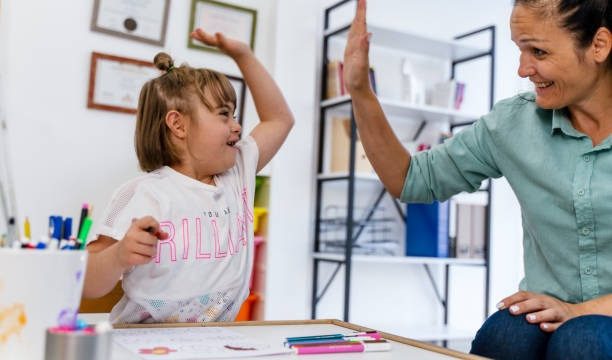
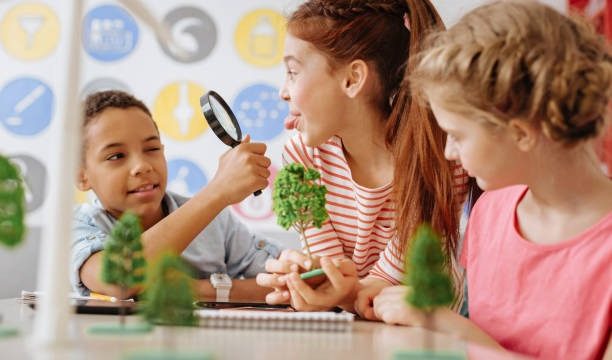
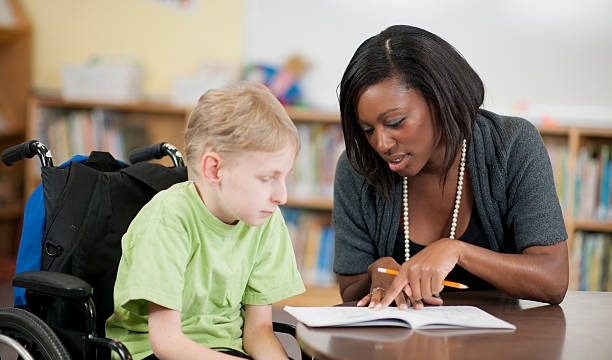
Creating a nurturing and engaging environment in special needs classrooms is essential for fostering learning and growth.
In these unique settings, every child has their own strengths, challenges, and ways of processing information.
Understanding this diversity is key to promoting engagement, ensuring that each student feels valued and motivated to participate.
One of the first steps in encouraging engagement is to establish a sense of belonging. When students feel like they are part of a community, they are more likely to interact with their peers and educators. Creating a warm atmosphere can be as simple as starting each day with a welcoming circle where students share their thoughts or feelings. This practice not only helps build relationships but also encourages students to express themselves in a safe space. It’s a wonderful way to foster trust, making everyone feel seen and heard.
Incorporating a variety of learning styles is another gentle yet effective approach to promote engagement. Children with special needs often thrive when lessons are tailored to their unique ways of understanding the world. This means integrating visual, auditory, and kinesthetic learning opportunities into daily activities. For instance, using colorful visuals, hands-on materials, or music can make lessons more accessible and enjoyable. By embracing different modes of learning, educators can cater to individual preferences, sparking curiosity and enthusiasm in the classroom.
A small shift toward balance can also be beneficial. It’s important to recognize that children may need breaks throughout the day to recharge. Short, mindful pauses can help students reset their focus, allowing them to return to tasks with renewed energy. Incorporating movement breaks, such as stretching or a quick dance session, can boost mood and engagement. These small moments of physical activity not only invigorate the learning experience but also help in managing sensory overload, creating a more balanced environment.
Building connections between the classroom and the outside world can further enhance engagement. Field trips, virtual tours, or even guest speakers can help students see the relevance of their learning in real life. Engaging with the community can provide rich, meaningful experiences that resonate with students. When they can relate lessons to the world around them, learning becomes more impactful. This connection can inspire students to ask questions, explore new ideas, and take an active role in their education.
Creating opportunities for choice is another effective strategy. Allowing students to make decisions about their learning can significantly increase their motivation. This could be as simple as letting them choose between two activities or select a topic for a project. When students feel they have a voice in their education, they are more likely to engage deeply with the material. This sense of autonomy fosters responsibility and encourages them to take ownership of their learning journey.
Integrating technology in thoughtful ways can also play a role in engagement. Many students find digital tools captivating and interactive. Utilizing educational apps, videos, or even virtual reality experiences can bring lessons to life, making them more engaging. However, it’s essential to strike a balance and ensure that technology serves as a tool for learning rather than a distraction. Thoughtful integration can enhance the educational experience, making it dynamic and exciting.
Collaboration among students can be a powerful catalyst for engagement. Group activities that encourage teamwork can help build social skills and foster a sense of camaraderie. When students work together, they can share ideas, support each other, and create a community of learners. This collaborative spirit not only enhances individual learning but also nurtures essential life skills such as communication and empathy.
Another gentle approach to enhance engagement is through storytelling. Whether through literature, personal narratives, or creative storytelling activities, the power of a good story can captivate and inspire. Stories can help students connect emotionally to the content, making it more relatable and memorable. This method can also encourage creativity, as students can express their interpretations and ideas in unique ways.
Fostering a growth mindset is fundamental in special needs classrooms. Encouraging students to embrace challenges and view mistakes as learning opportunities can significantly impact their engagement levels. Celebrating effort, rather than just outcomes, helps students feel proud of their progress. When they understand that learning is a journey filled with ups and downs, they become more resilient and willing to take risks in their education.
Lastly, regular communication with families can enhance engagement in the classroom. When educators and families work together, they create a support network that benefits the child. Sharing progress, discussing challenges, and celebrating successes can reinforce the importance of learning at home. This partnership can empower families to be active participants in their child’s education, fostering a sense of community that extends beyond the classroom.
Promoting engagement in special needs classrooms is a multifaceted journey that requires patience, creativity, and compassion. By embracing each child’s unique qualities and fostering a supportive environment, educators can inspire a love for learning that lasts a lifetime. Each small effort contributes to a larger goal of nurturing confident, curious, and engaged learners. In the end, it’s about creating a space where every child can thrive and feel empowered to explore their potential.