Recognizing and celebrating student achievements is an essential part of fostering a positive educational environment.
Whether in a classroom, a home-school setting, or even in extracurricular activities, acknowledging milestones can significantly enhance a student’s motivation and self-esteem.
In a world that often emphasizes competition, taking the time to appreciate individual accomplishments can help cultivate a sense of community and belonging.
Understanding the importance of recognition begins with acknowledging that every student is unique. Their achievements may come in various forms—some may excel academically, while others might shine in artistic endeavors or sports. It’s crucial to create an atmosphere where all types of success are valued. This doesn’t merely mean giving awards or certificates; it’s about recognizing the effort and growth that each student has demonstrated.
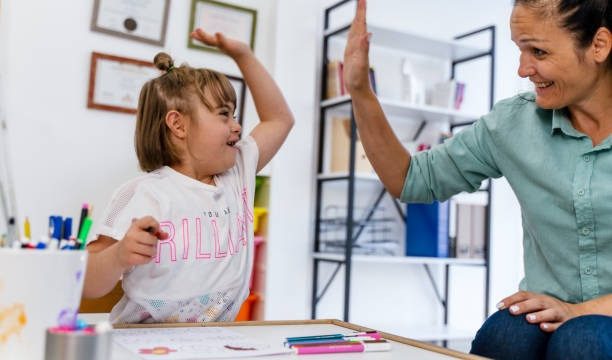
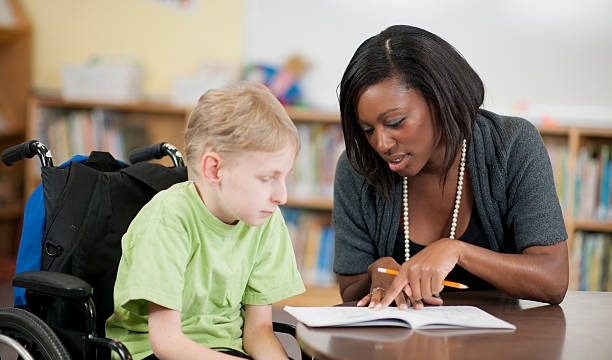
A gentle way to start recognizing achievements is through simple verbal affirmations. When a student completes a project or improves in a subject, a thoughtful comment can go a long way. Phrases like “I noticed how hard you worked on that assignment” or “Your creativity really shone through in your artwork” can boost a student’s confidence. This form of recognition is immediate and personal, creating a connection that reinforces their sense of accomplishment.
Another beautiful way to celebrate achievements is by sharing them with the community. Schools and organizations often have newsletters or bulletin boards where students’ successes can be highlighted. This can include academic awards, sports victories, or notable contributions to group projects. By showcasing a variety of achievements, you not only honor individual students but also inspire others to strive for their personal best. It creates a culture where success is shared and celebrated collectively, rather than merely being a personal milestone.
Creating a ritual around recognition can also be a delightful way to celebrate achievements. Consider establishing a “Student of the Month” program, or perhaps a weekly shout-out during class meetings. These rituals provide a regular opportunity to acknowledge hard work and dedication. Such initiatives can foster a sense of anticipation and excitement among students, encouraging them to put forth their best efforts in hopes of being recognized.
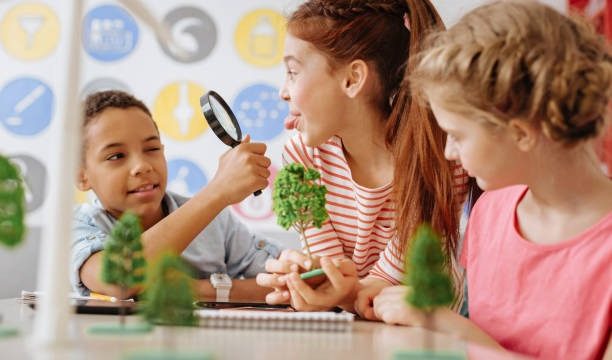
In addition to formal recognitions, informal celebrations can be equally impactful. Organizing a small gathering to celebrate the end of a project or a successful term can create a sense of camaraderie among students. This could be as simple as a potluck lunch or a day dedicated to fun activities. The emphasis here is on community, allowing students to take pride in their achievements together. When students see their peers celebrating, it promotes a supportive atmosphere where everyone feels encouraged to pursue their goals.
Engaging parents and families in the recognition process is another wonderful way to enhance the experience for students. Involving families can create a more profound sense of accomplishment. Consider inviting parents to attend a presentation where students share what they’ve learned or achieved. This not only allows students to shine in front of their loved ones but also strengthens the bond between the school and the families. It emphasizes that education is a partnership, and every achievement is a shared victory.
Creating a feedback loop is an essential aspect of recognizing achievements. After celebrating a success, it’s helpful to discuss what made it possible. This reflection can help students understand the importance of their efforts and the process behind their achievements. It encourages them to set future goals and consider the steps necessary to reach them. This cycle of recognition and reflection can be a powerful motivator, nurturing a growth mindset that emphasizes learning from both successes and setbacks.
Moreover, it is essential to recognize that not all achievements are marked by awards or accolades. Sometimes, the most profound achievements are personal milestones that may go unnoticed by others. A student overcoming anxiety to participate in class, or a shy child making a new friend, are significant accomplishments that deserve acknowledgment. Encouraging students to share their personal victories fosters a culture of openness and support, allowing everyone to celebrate what matters most to them.
A key aspect of celebrating achievements is ensuring that the recognition feels authentic. It’s essential to be sincere and specific in your praise. Generic compliments can sometimes feel empty, whereas personalized acknowledgments resonate more deeply. When students feel that their unique contributions are valued, it reinforces their sense of self-worth and encourages them to continue striving for success.
As we reflect on the importance of recognizing achievements, it’s vital to remember that the journey is just as important as the destination. Celebrating progress, no matter how small, can help students appreciate their growth over time. Encouraging them to keep track of their accomplishments can create a sense of pride and motivation. Whether through journals, portfolios, or simple checklists, documenting progress can serve as a powerful reminder of how far they’ve come.
In conclusion, recognizing and celebrating student achievements is a vital part of the educational experience. It fosters a supportive environment where students feel valued and motivated to strive for their best. Through verbal affirmations, community sharing, family involvement, and personal reflections, we can create a culture of celebration that honors every student’s unique journey. By embracing this approach, we not only enhance individual self-esteem but also cultivate a sense of community that enriches the educational experience for everyone involved. Remember, every achievement matters, and every student deserves to be celebrated.