In the journey of special needs education, every step forward is a testament to resilience, growth, and the unwavering spirit of both students and educators.
Celebrating progress is not merely about acknowledging achievements in conventional terms; it’s about recognizing the unique milestones that each child reaches in their own time and way.
Creating an environment that honors these moments can foster a sense of belonging, motivation, and joy for everyone involved.
A gentle acknowledgment of small victories can have a profound impact. For many students, progress might not always look like traditional academic success. It could be as simple as improving social skills, becoming more independent, or even overcoming personal challenges. It’s essential to cultivate a mindset that appreciates these diverse forms of progress, as they contribute significantly to a child’s overall development.
Creating a supportive atmosphere is key. Teachers and caregivers play a pivotal role in this process. By fostering an environment where students feel safe to express themselves and explore their capabilities, we can encourage them to strive for their personal best. This can be achieved through consistent encouragement, patience, and understanding. Celebrating progress becomes a shared experience, a collective acknowledgment of the hard work put in by both students and educators.
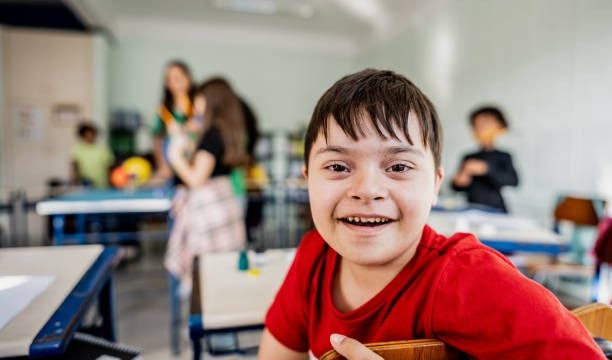
Recognizing achievements can take many forms. A simple high-five, a warm smile, or a heartfelt “Well done!” can mean the world to a child. These moments of recognition help build confidence and reinforce the idea that every effort matters. It’s important to personalize these celebrations based on what resonates with each individual. Some may thrive in the spotlight, while others may prefer a quieter acknowledgment. Understanding these preferences can enhance the celebration and make it more meaningful.
Involving families in the celebration of progress is equally important. When families are engaged in the educational journey, they can witness firsthand the growth their child is making. Organizing events where families can come together to share and celebrate student achievements can strengthen the community. These gatherings can be informal, such as a small tea party or a casual picnic, where stories of progress are shared. This creates an inclusive atmosphere where everyone feels valued and connected.
A small shift toward balance can also be a source of celebration. For example, if a student who typically struggles with anxiety is able to participate in a group activity, that’s a significant milestone worth recognizing. These shifts may not be grand gestures but rather subtle changes in behavior that reflect a child’s development. Educators and families should take note of these moments, as they often signify deeper emotional and cognitive growth.
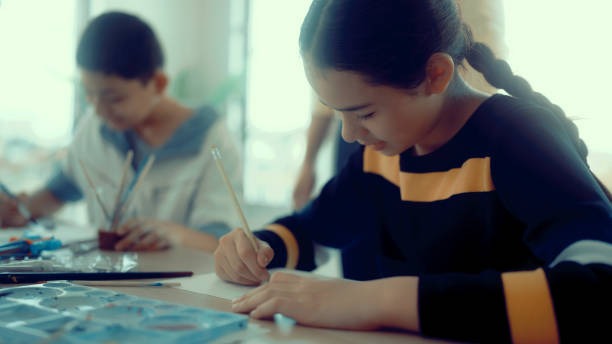
Artistic expressions can serve as powerful tools for celebrating progress. Encouraging students to create art, whether through drawing, painting, or performing, allows them to express their feelings and experiences in a unique way. An art show or a talent showcase can be a wonderful opportunity for students to share their work with peers and family. This not only highlights their achievements but also reinforces the idea that creativity is a valuable form of expression.
Incorporating technology can enhance the celebration of progress in special needs education. Many students respond well to interactive learning tools and digital platforms that allow them to track their achievements. Tools that gamify learning can motivate students to reach their goals while providing a visual representation of their progress. Celebrating milestones through digital badges or certificates can add an element of fun and excitement to the learning process.
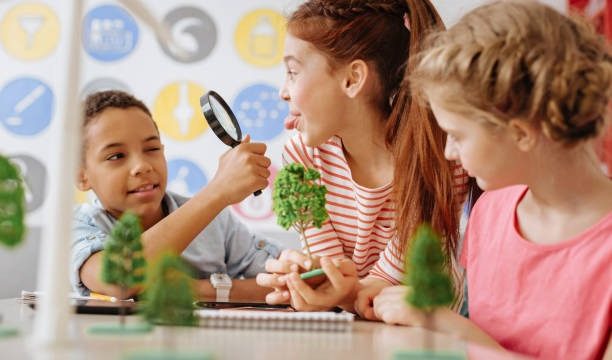
The role of peer support cannot be overlooked. Encouraging students to celebrate each other’s progress fosters a sense of community and camaraderie. When students recognize and applaud their classmates’ achievements, it not only boosts morale but also cultivates empathy and understanding. This peer recognition can take place through collaborative projects, group presentations, or simply by sharing compliments in a supportive environment.
Reflection is another powerful aspect of celebrating progress. Taking the time to reflect on the journey can help both students and educators appreciate how far they’ve come. Journaling or creating a scrapbook of achievements can serve as a tangible reminder of growth over time. This reflective practice not only highlights accomplishments but also encourages a mindset of continuous improvement and learning.
As educators and caregivers, it is important to remember that the journey of special needs education is not always linear. There will be ups and downs along the way, and that’s perfectly okay. Celebrating progress is about embracing the entire journey, including the challenges. Encouraging resilience in the face of setbacks can teach valuable life lessons about perseverance and determination.
Creating a culture of celebration within special needs education can lead to a more positive and enriched learning environment. When progress is recognized and celebrated, it fosters a sense of hope and motivation. Students are more likely to engage and invest in their learning when they see that their efforts are valued. This not only impacts their academic journey but also their emotional well-being.
Ultimately, the goal is to cultivate a nurturing environment where every child feels seen and appreciated for who they are and what they can achieve. Celebrating progress in special needs education is about honoring each child’s unique journey, recognizing their individual strengths, and supporting their growth in meaningful ways. By fostering a culture of celebration, we can inspire students to reach new heights and embrace their potential, one beautiful step at a time.